
Accessibility, & Partnerships
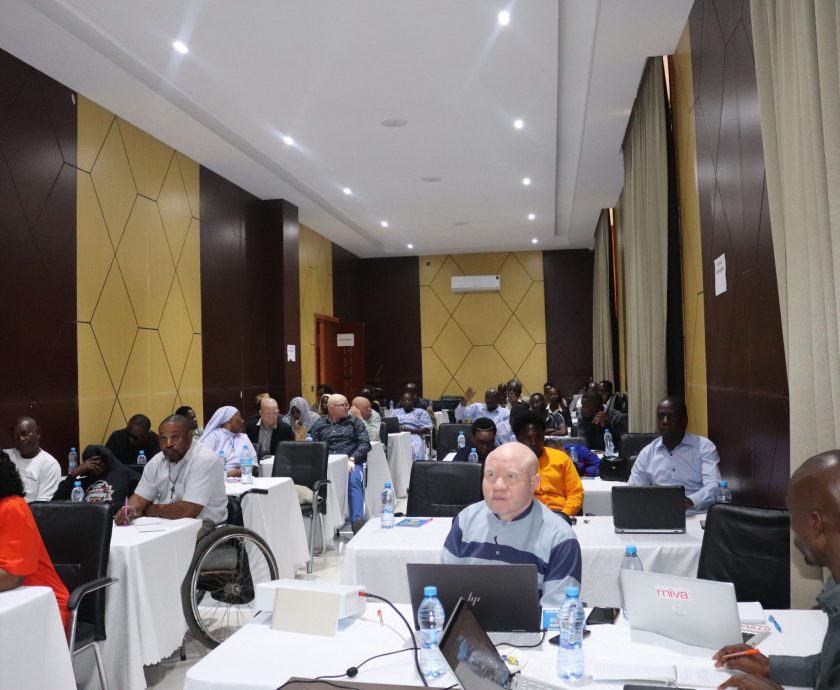
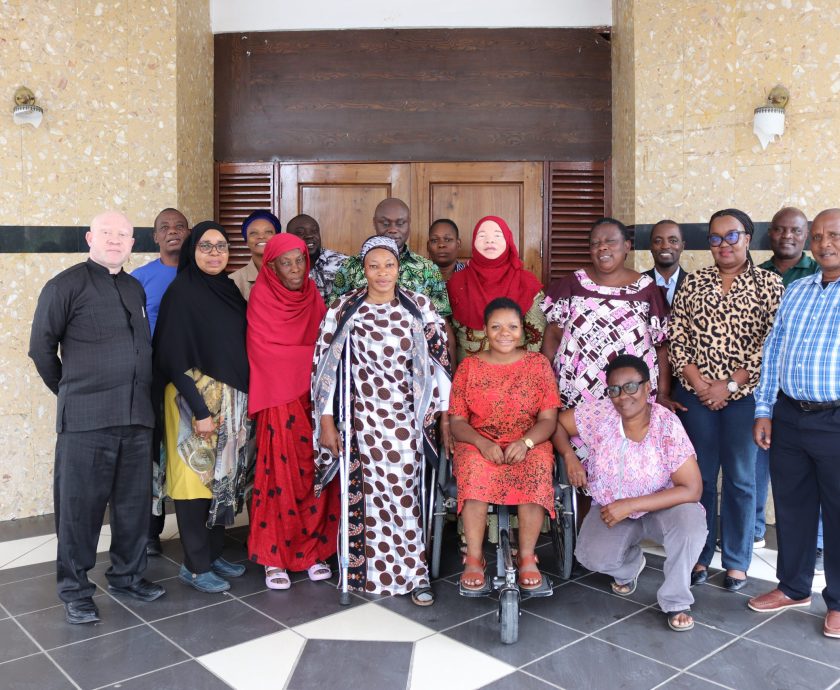
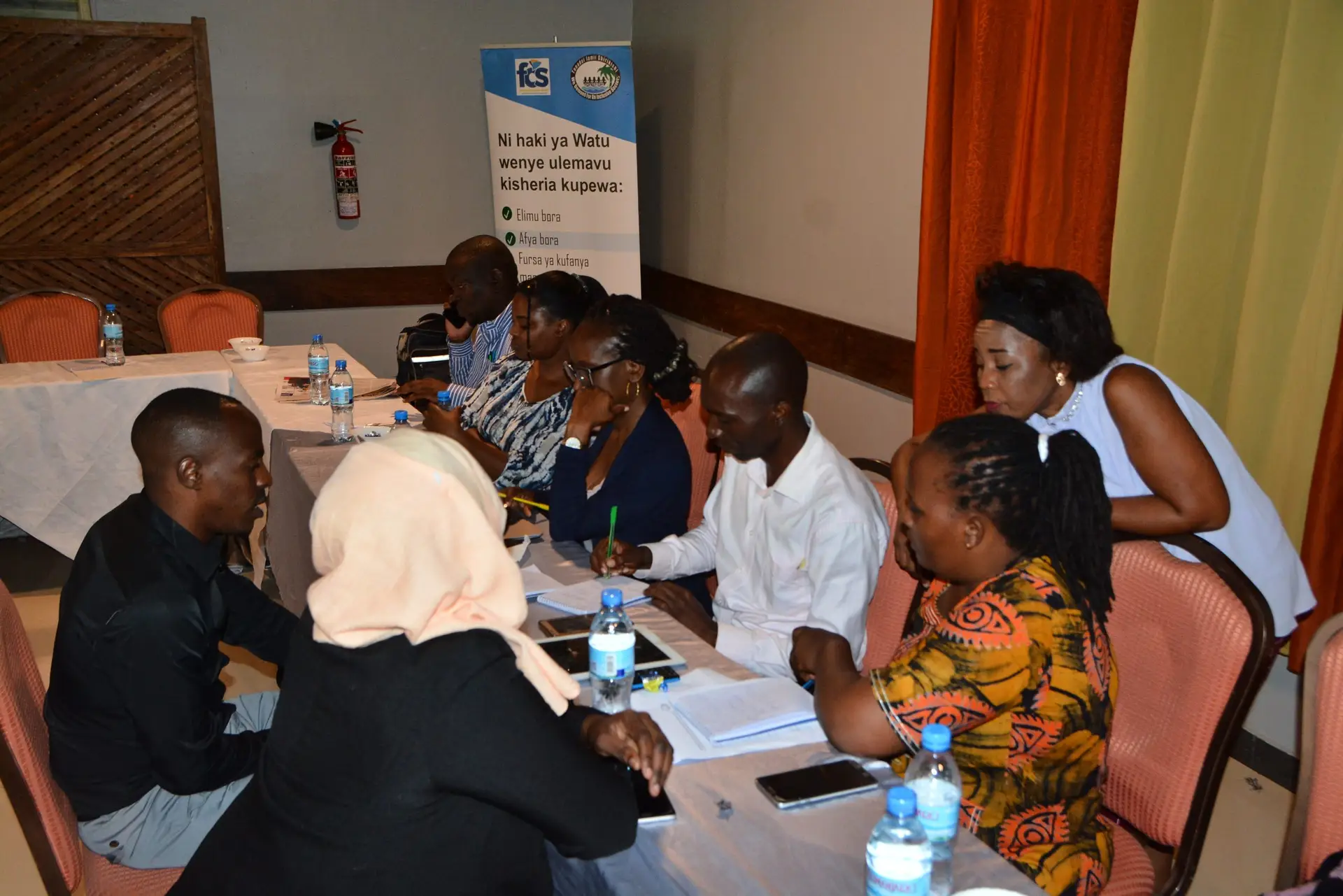
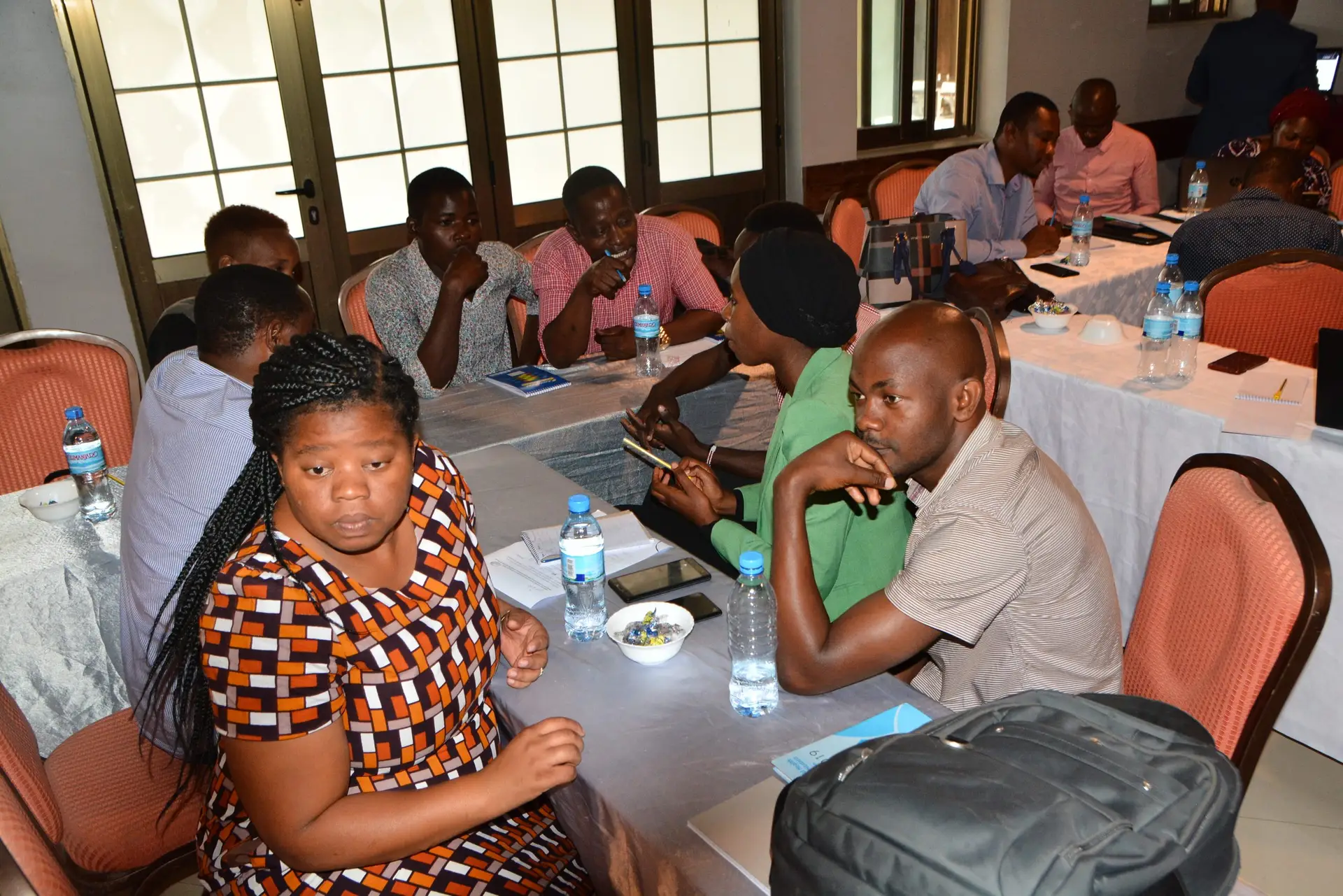
The DiCoP Training of Trainers (ToT) for Organisations of Persons with Disabilities (OPDs) focused on strengthening participants’ understanding of how to establish and develop Disability-Inclusive Communities of Practice (DiCoPs). Participants also reviewed the ToT objectives, with emphasis on their transition from workshop participants to prospective trainers and facilitators.
Understanding Disability-Inclusive Communities of Practice
Participants explored the fundamentals of DiCoPs, including their definition, purpose, principles, characteristics and boundaries.
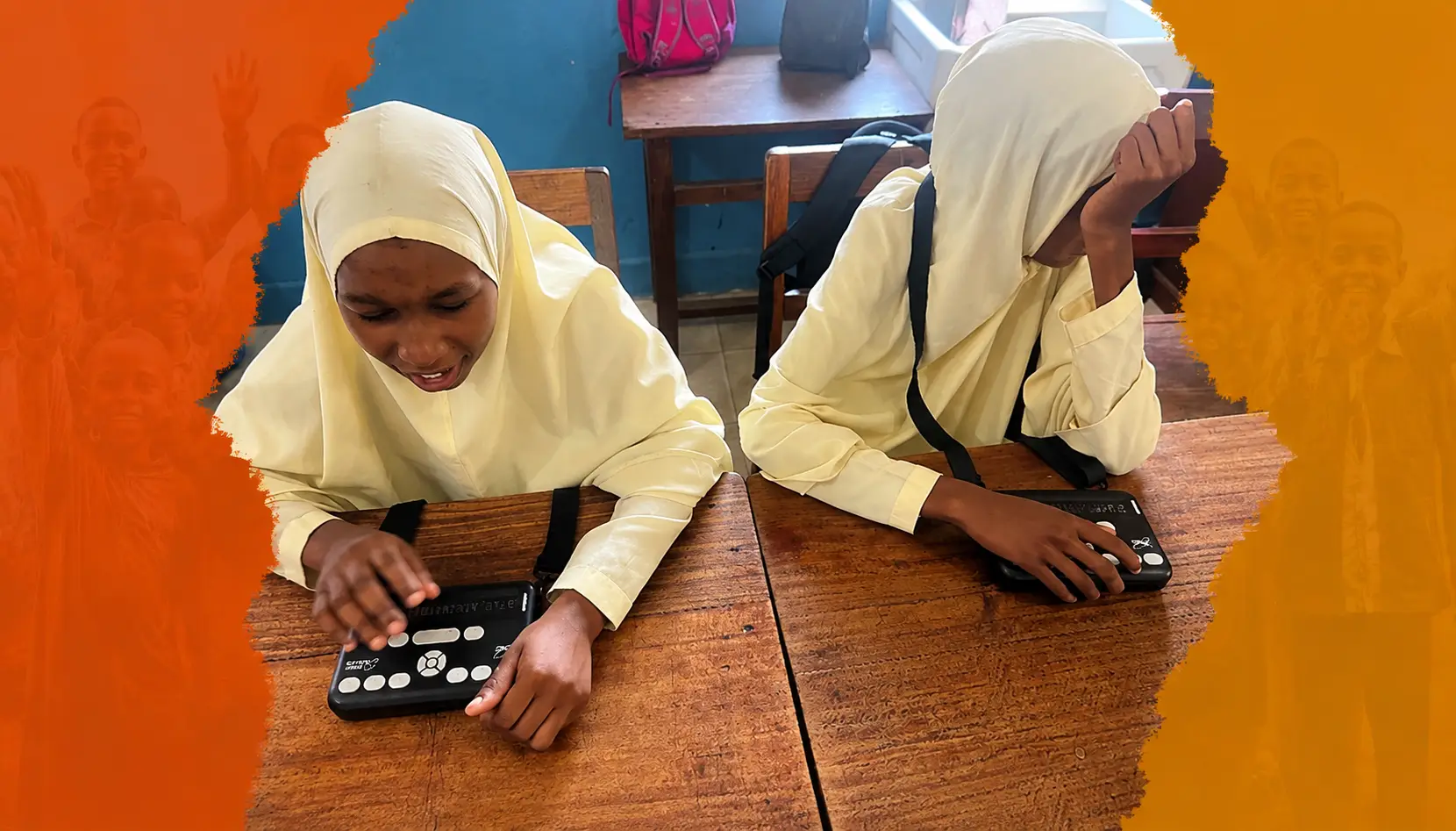
Particular attention was given to meaningful participation by persons with disabilities and OPDs, with discussions focusing on voice, influence, leadership, accessibility and reasonable accommodation.
Building Inclusive DiCoPs
Participants worked through the process of establishing a DiCoP, covering context analysis, purpose, membership, stakeholder mapping and mobilisation.
The sessions also examined governance and roles, including leadership, facilitation, membership responsibilities and accountability. Inclusive design was further explored through consideration of accessibility, gender, different disability constituencies and safeguards for participation.
Turning Knowledge into Practice
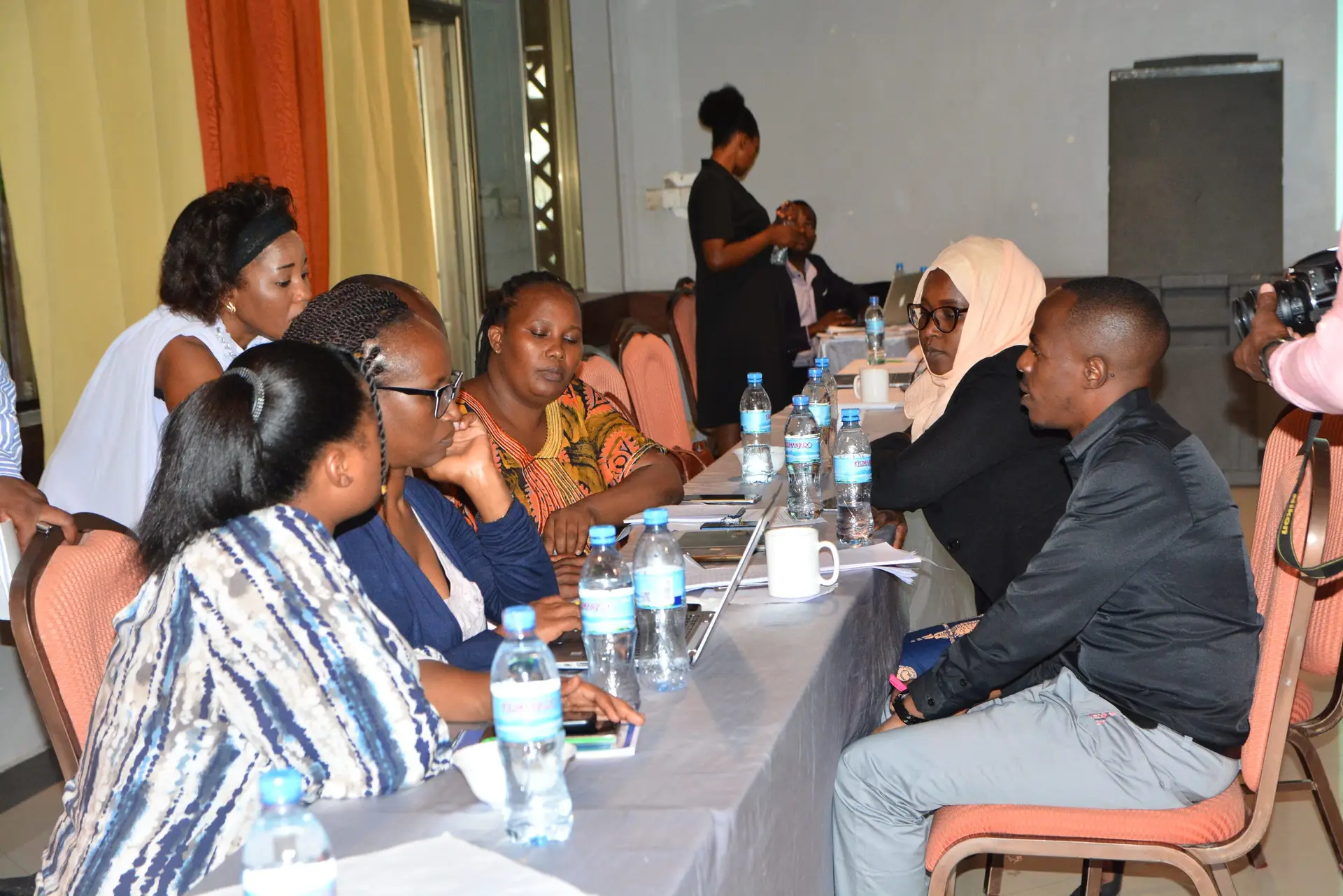
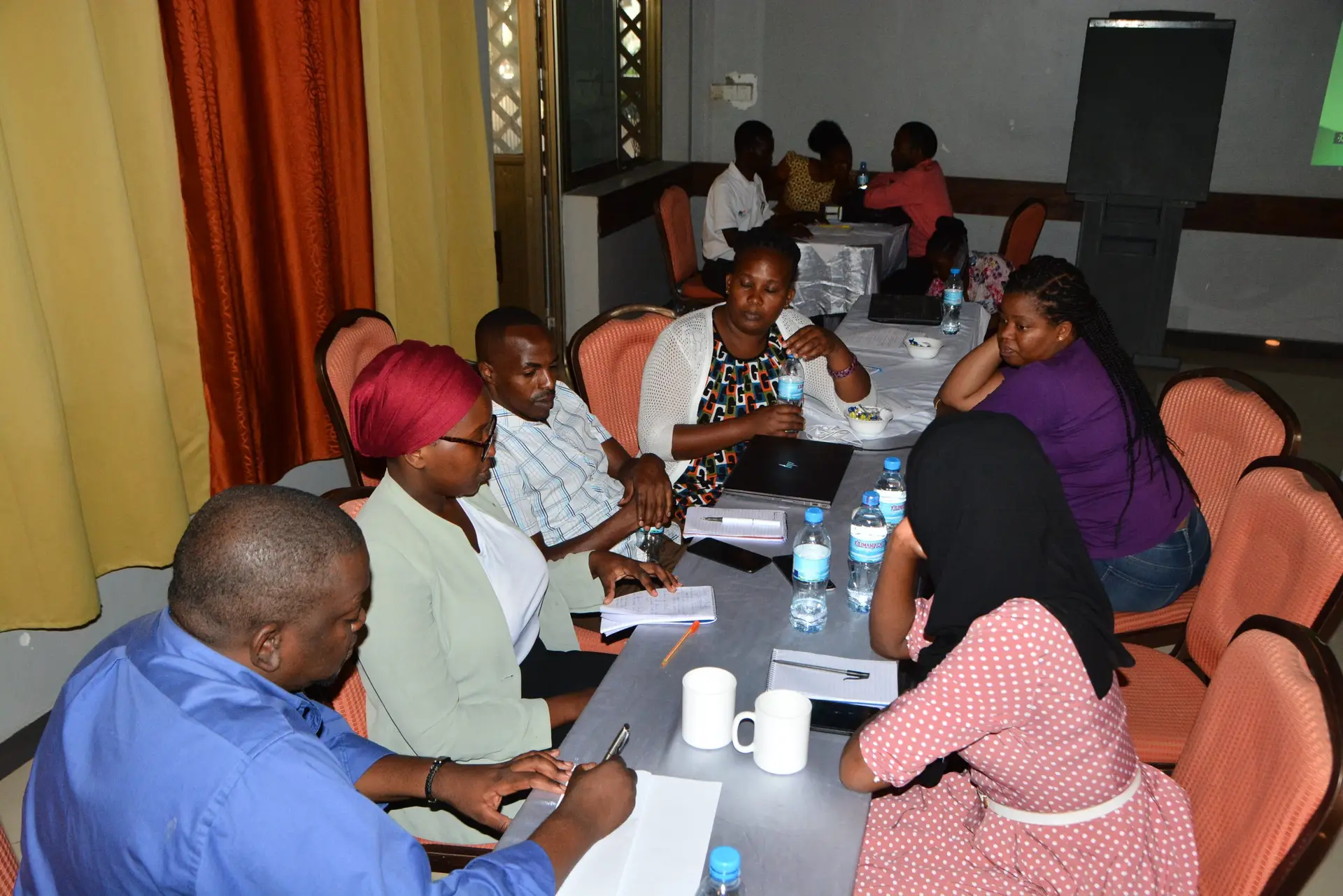
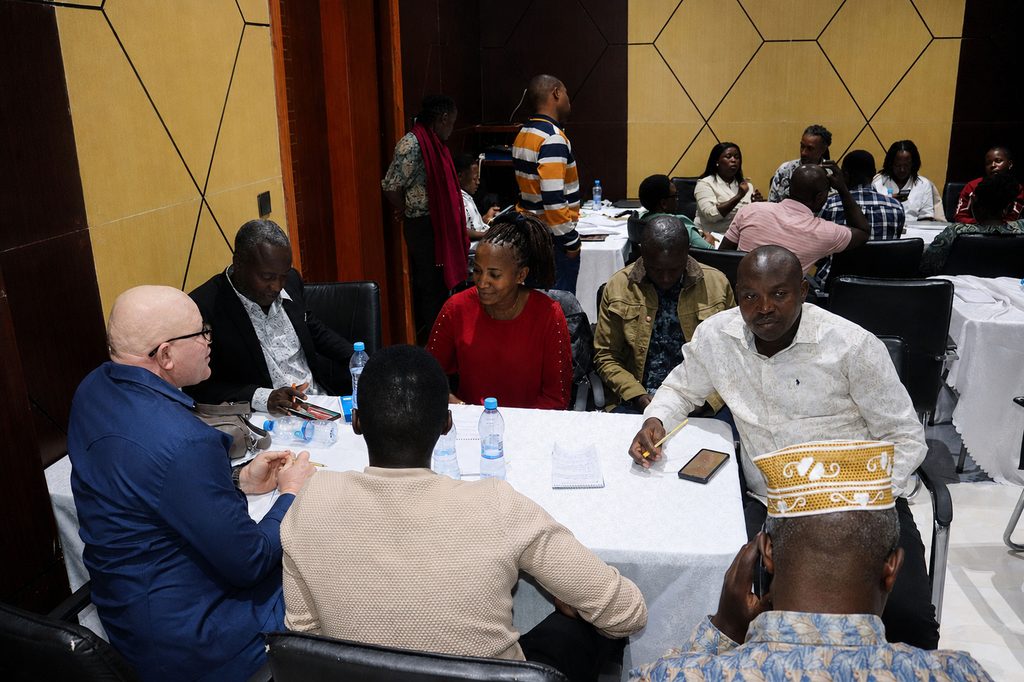
Through a regional practicum, participants developed initial DiCoP structures suited to their respective contexts. The practical exercise provided an opportunity to apply the concepts and principles discussed during the training.
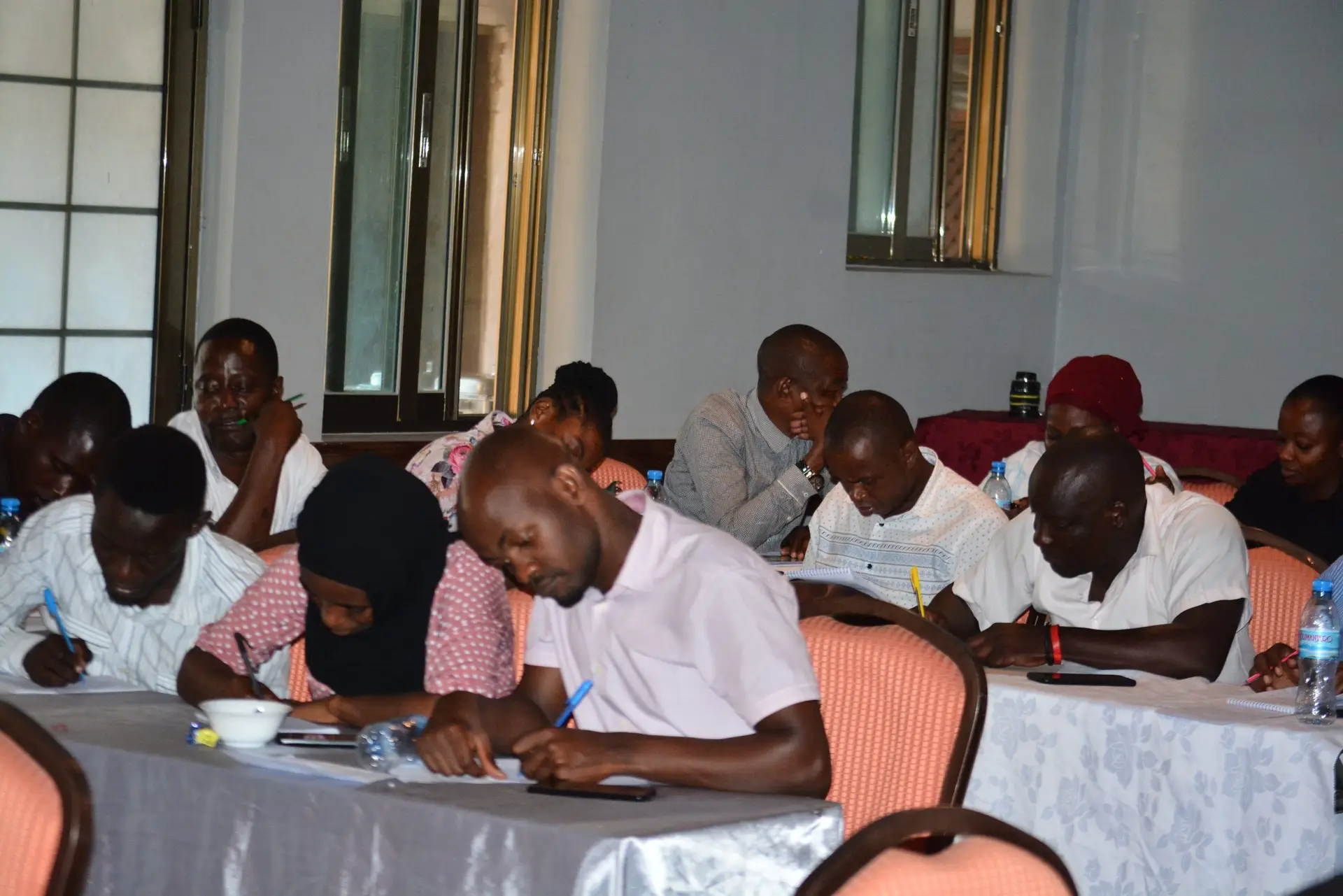
A reflection session captured key learning and questions ahead of the final module, which will focus on management, facilitation and roll-out.
The MAP-Wezesha Mtoto activity is implemented by SHIVYAWATA in partnership with BIT — Beyond Inclusion.
Why This Matters
Disability-Inclusive Communities of Practice can create spaces for shared learning, collaboration and collective action. Ensuring that these spaces are accessible and that persons with disabilities and OPDs have meaningful voice, influence and leadership is central to building inclusive approaches that respond to diverse experiences and priorities.