Contacts

46 - Chimara Street - Dar es Salaam

info@shivyawata.or.tz

+255 718 645 526

IMG_9991_Enhanced_4K
Accessibility, & Partnerships

OPD Leaders Explore the Foundations and Inclusive Design of DiCoPs in Dodoma

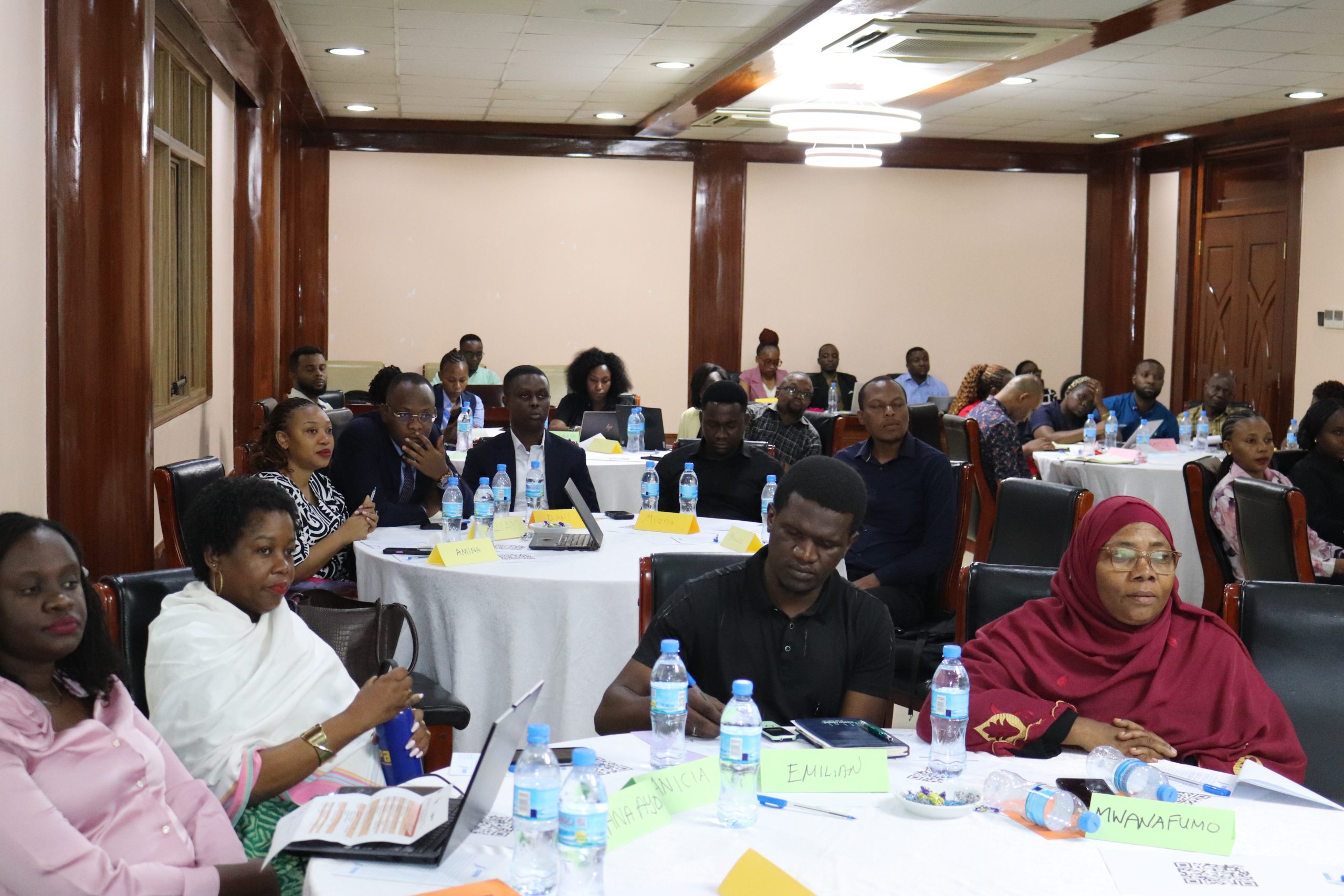
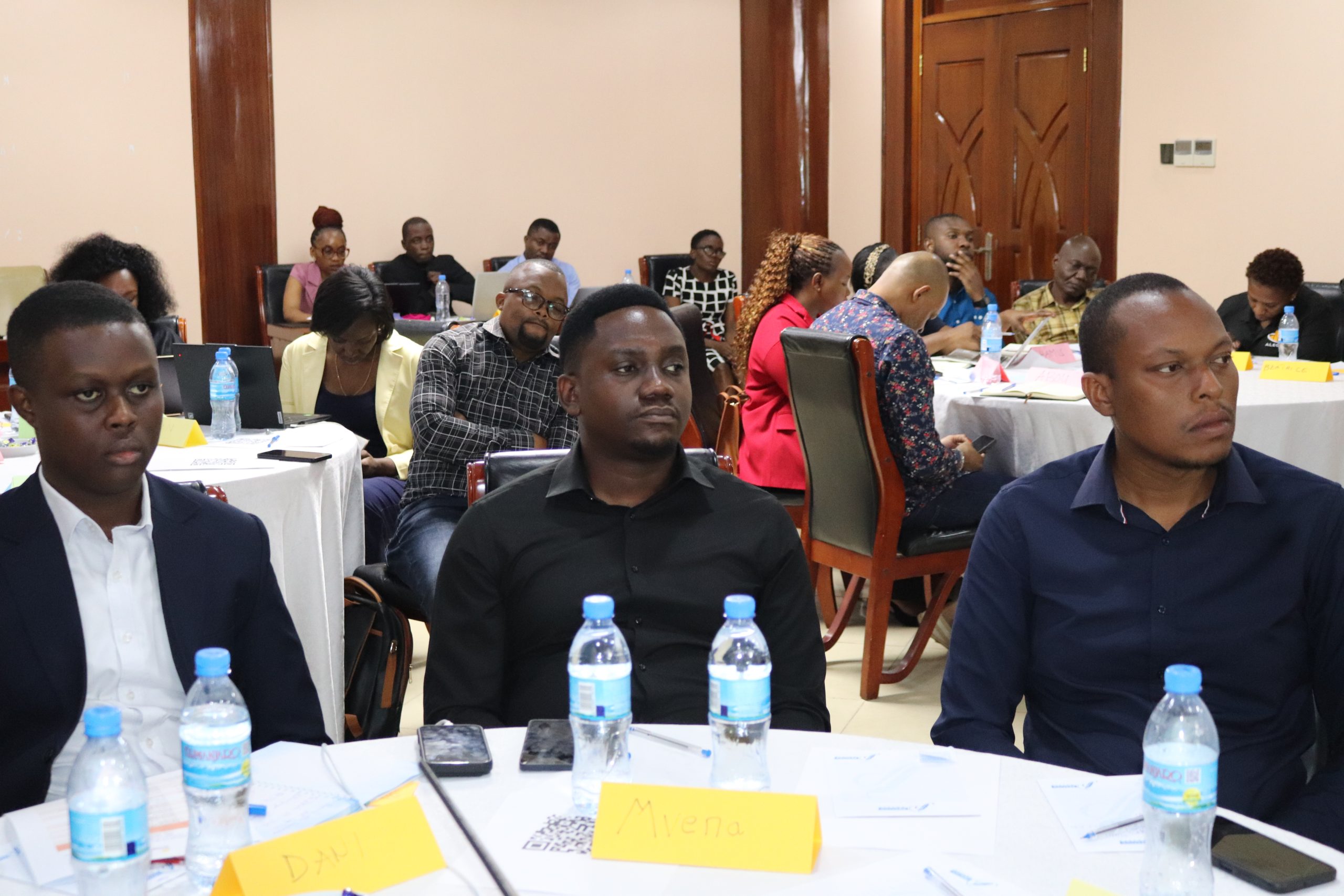
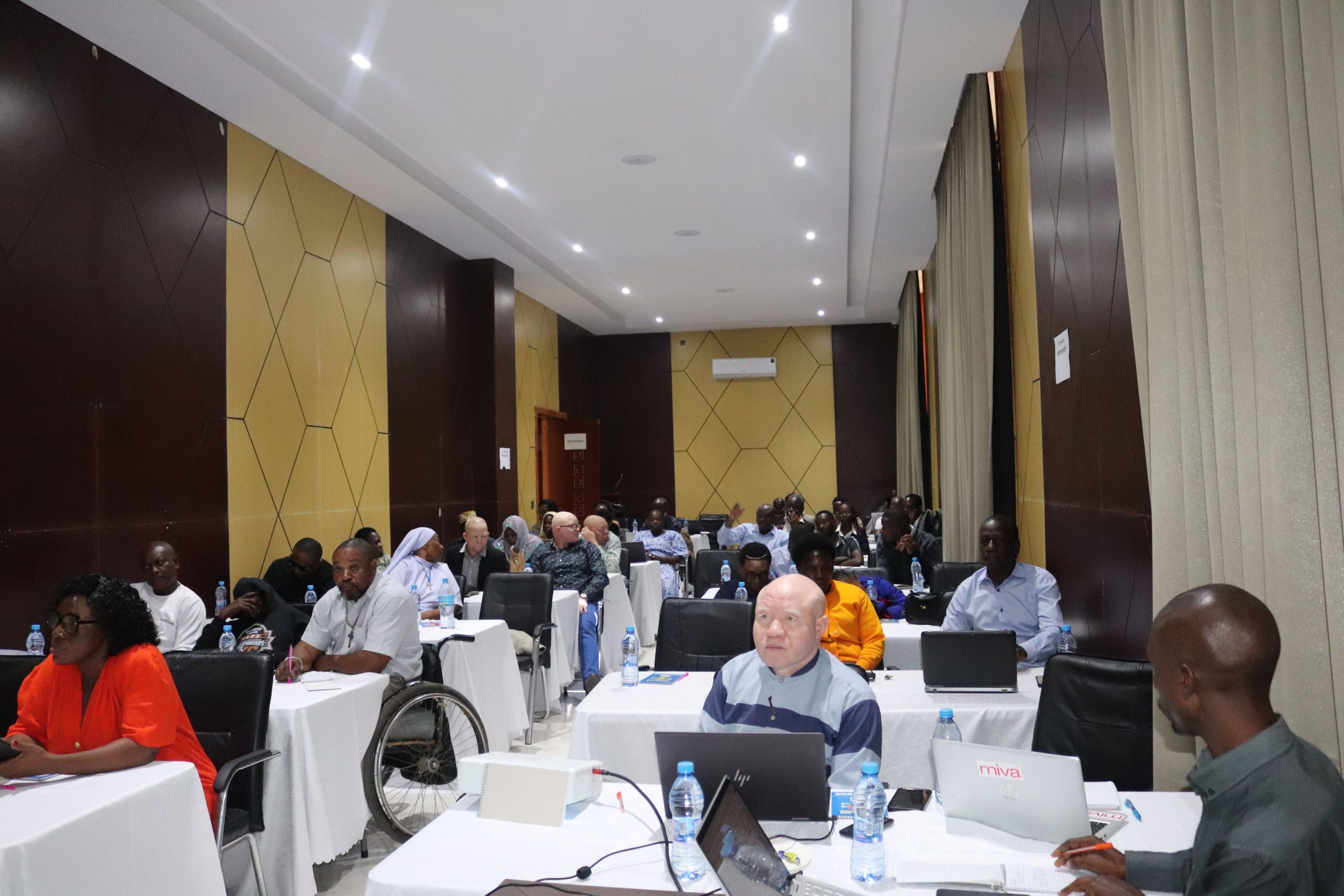
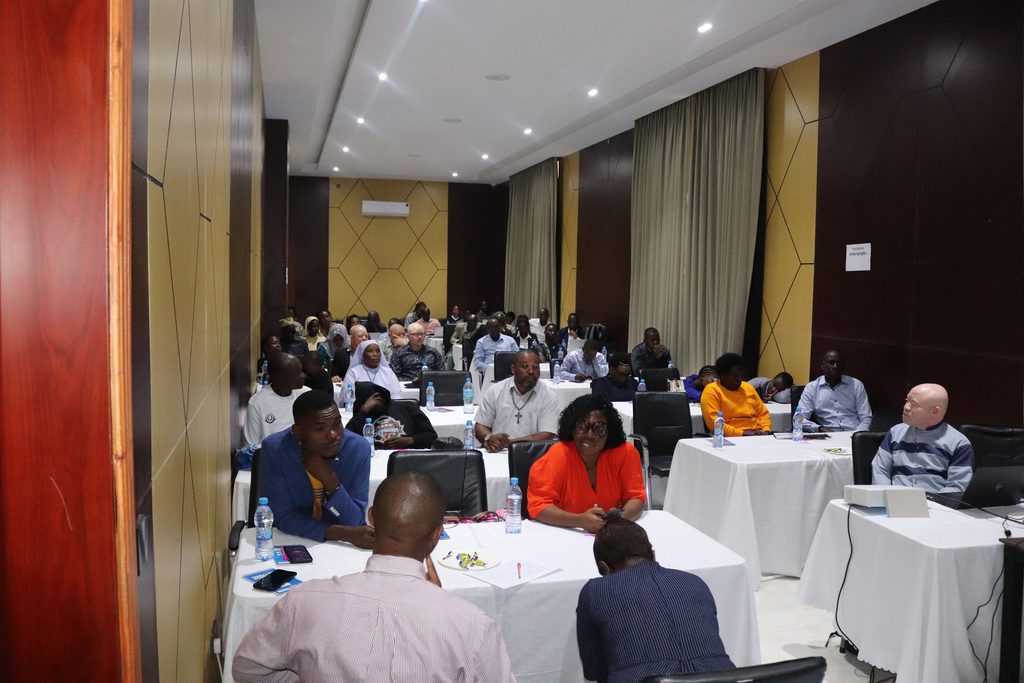
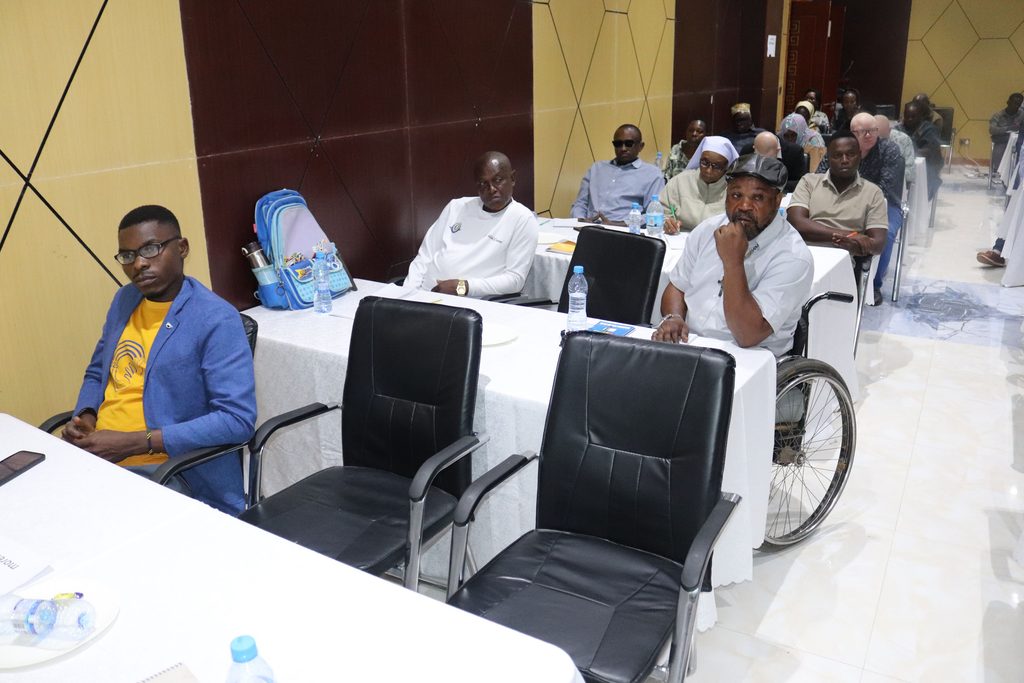
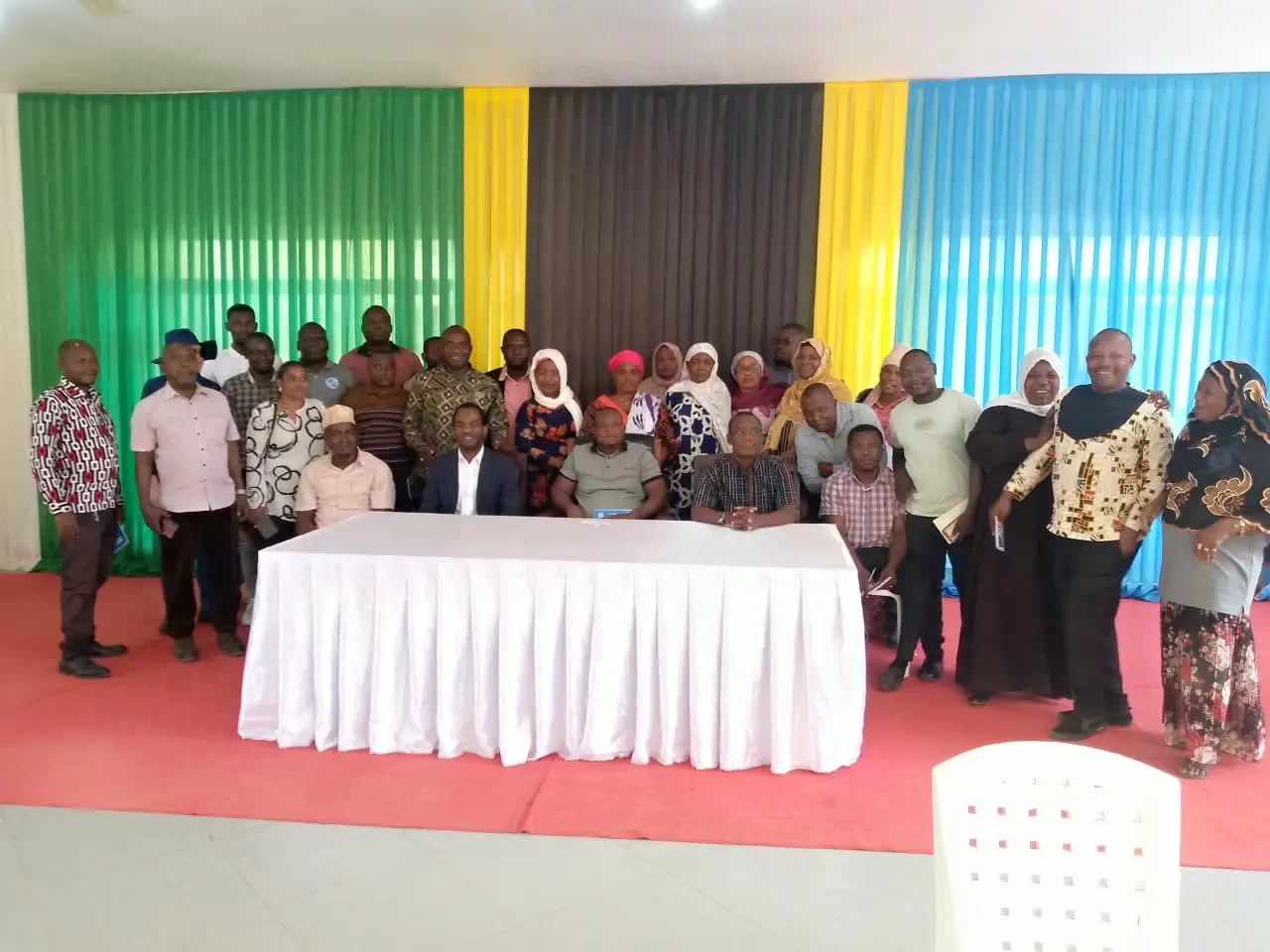
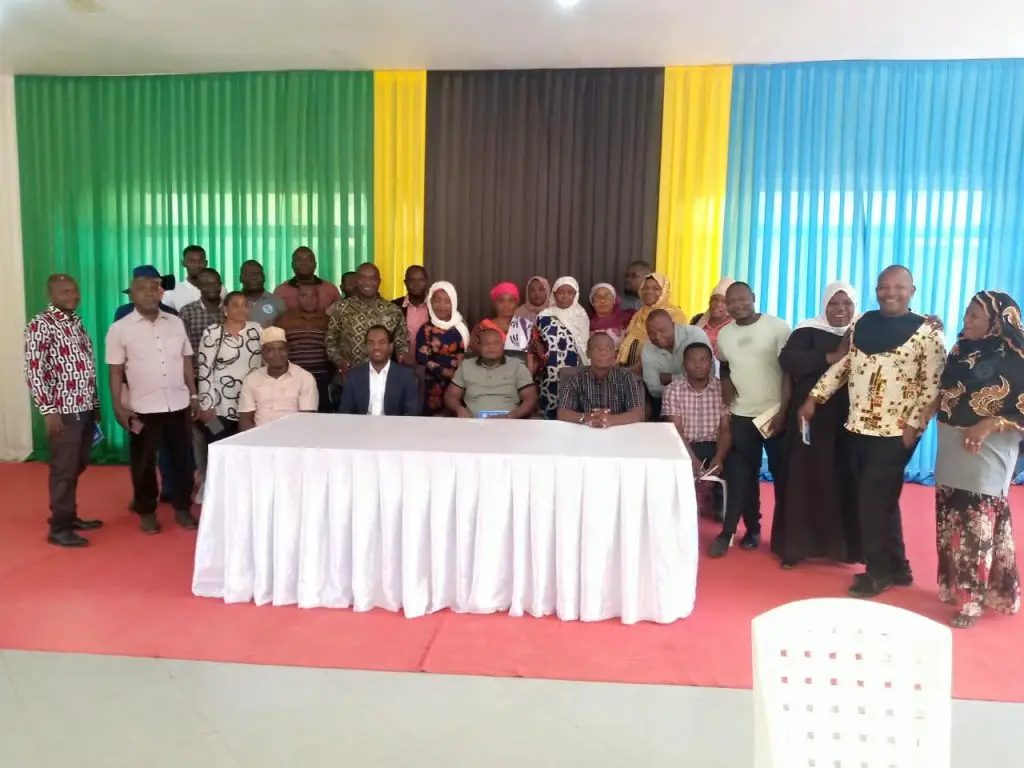
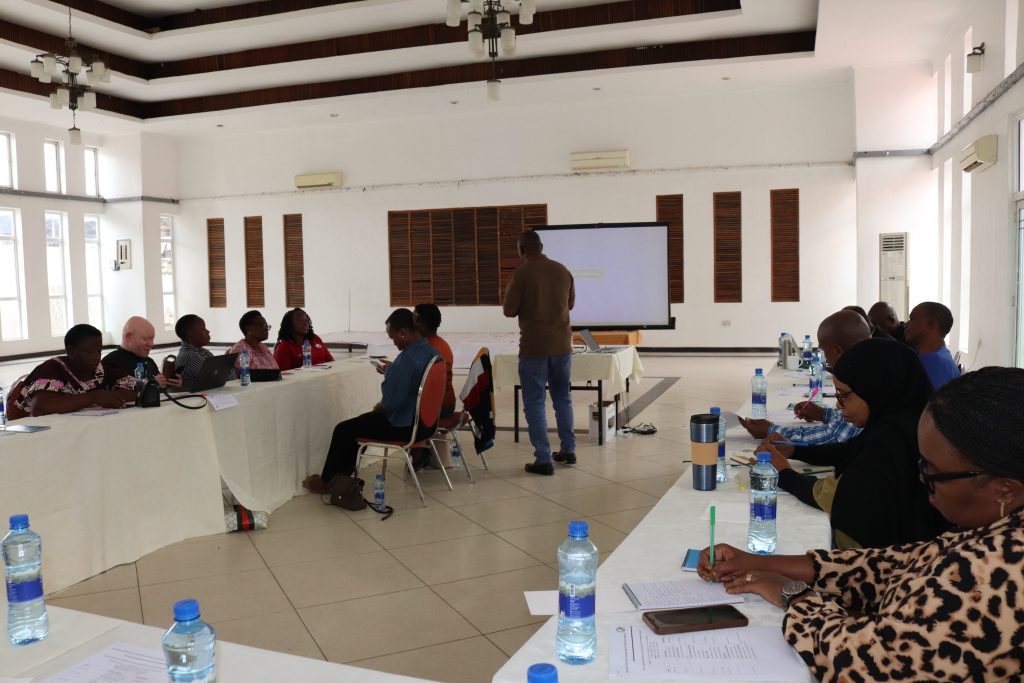
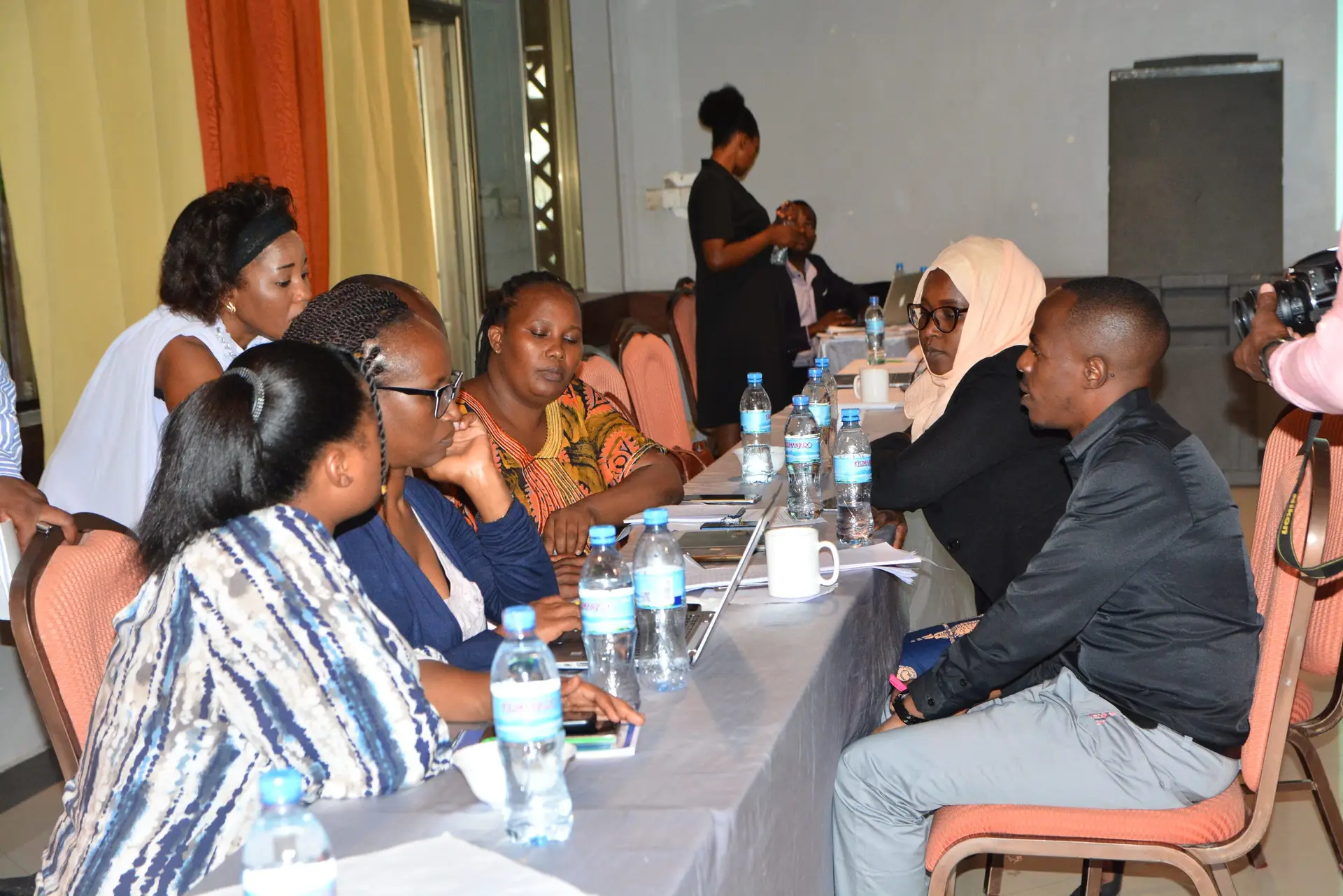
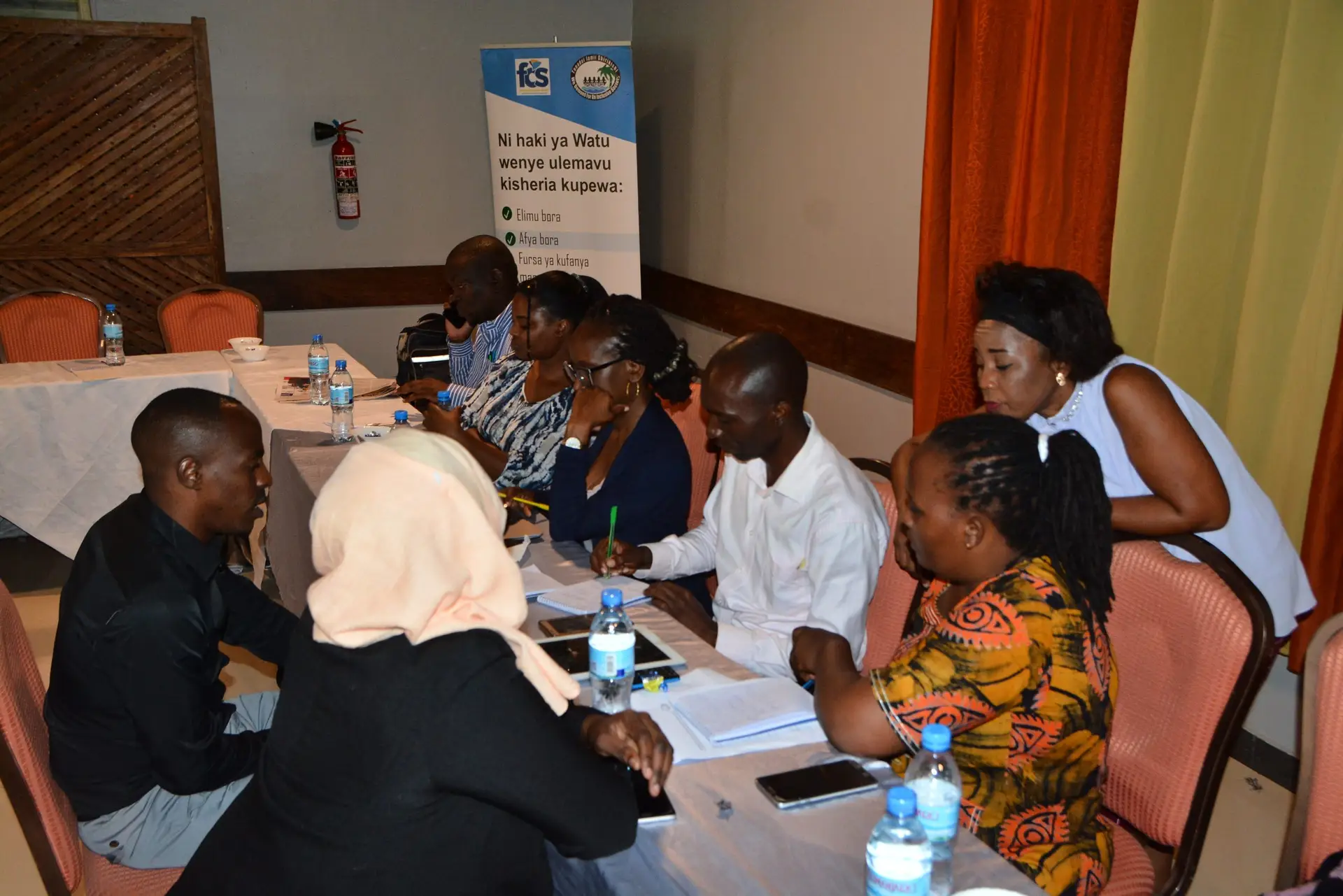
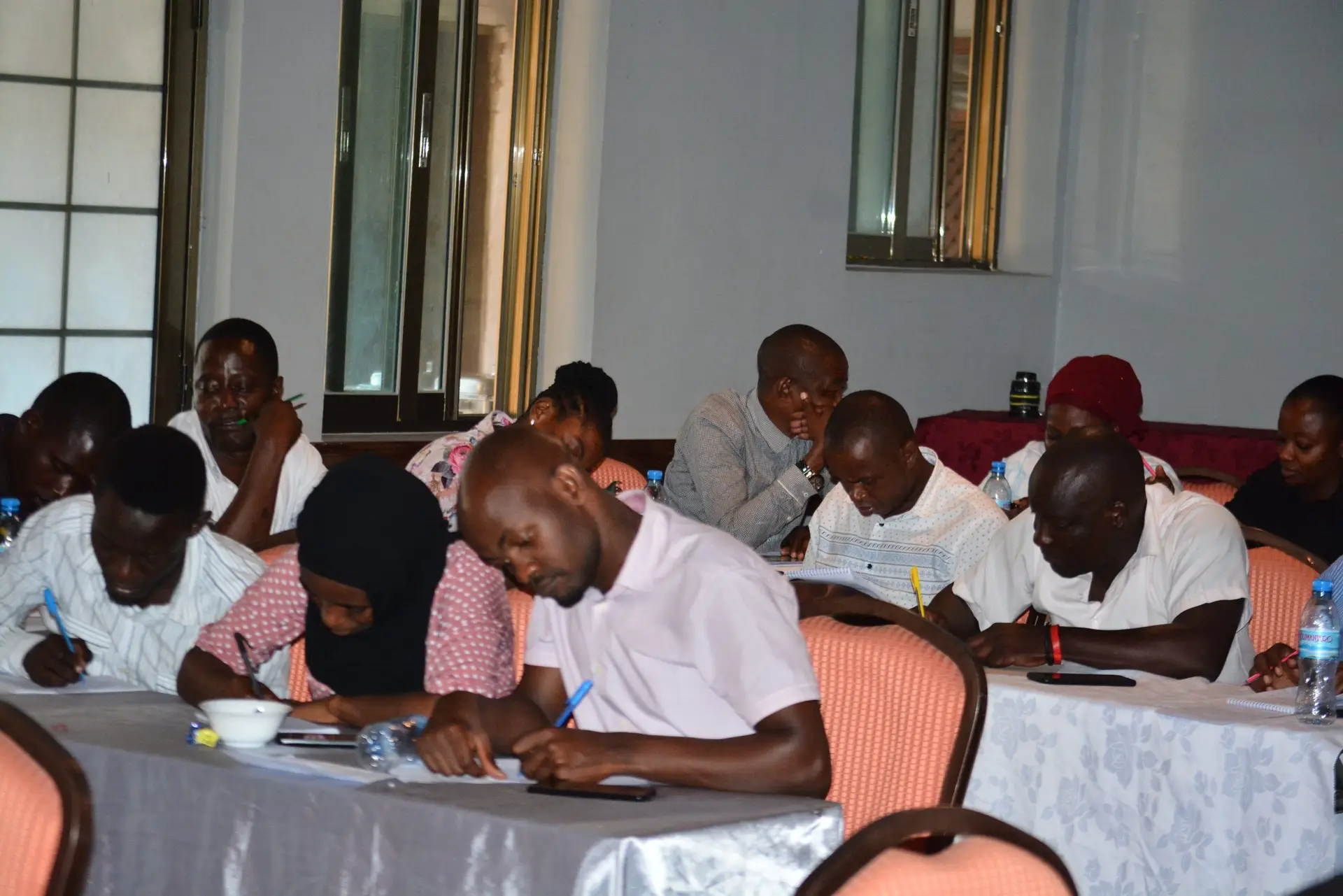
The DiCoP Training of Trainers (ToT) for Organisations of Persons with Disabilities (OPDs) focused on strengthening participants’ understanding of how to establish and develop Disability-Inclusive Communities of Practice (DiCoPs). Participants also reviewed the ToT objectives, with emphasis on their transition from workshop participants to prospective trainers and facilitators.

Understanding Disability-Inclusive Communities of Practice

Participants explored the fundamentals of DiCoPs, including their definition, purpose, principles, characteristics and boundaries.

Particular attention was given to meaningful participation by persons with disabilities and OPDs, with discussions focusing on voice, influence, leadership, accessibility and reasonable accommodation.

Building Inclusive DiCoPs

Participants worked through the process of establishing a DiCoP, covering context analysis, purpose, membership, stakeholder mapping and mobilisation.

The sessions also examined governance and roles, including leadership, facilitation, membership responsibilities and accountability. Inclusive design was further explored through consideration of accessibility, gender, different disability constituencies and safeguards for participation.

Turning Knowledge into Practice

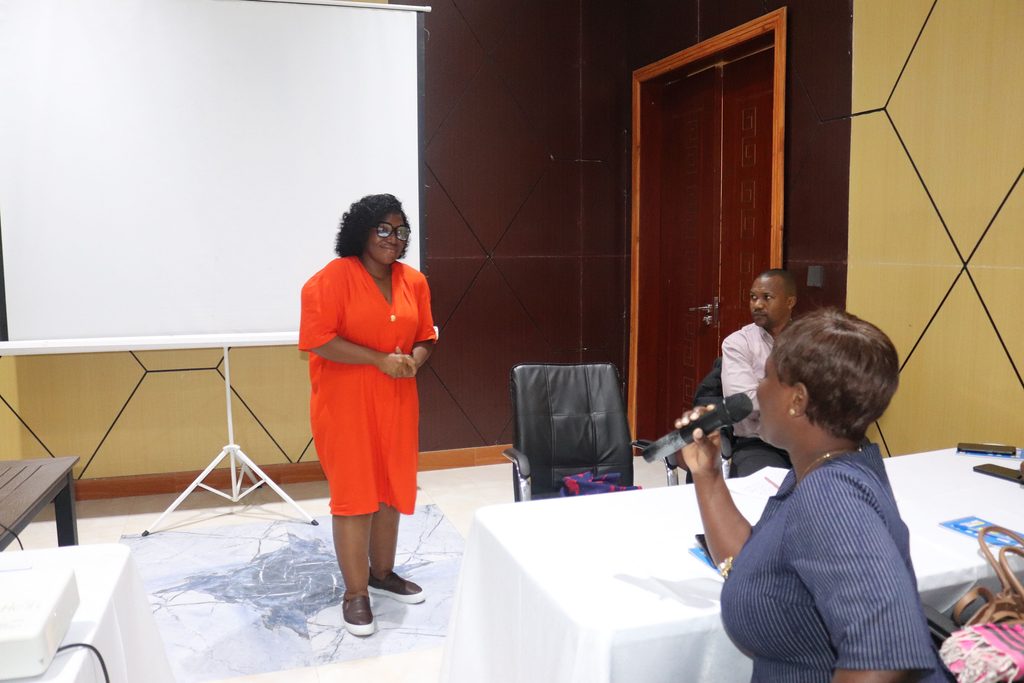
Through a regional practicum, participants developed initial DiCoP structures suited to their respective contexts. The practical exercise provided an opportunity to apply the concepts and principles discussed during the training.

A reflection session captured key learning and questions ahead of the final module, which will focus on management, facilitation and roll-out.

The MAP-Wezesha Mtoto activity is implemented by SHIVYAWATA in partnership with BIT — Beyond Inclusion.

Why This Matters

Disability-Inclusive Communities of Practice can create spaces for shared learning, collaboration and collective action. Ensuring that these spaces are accessible and that persons with disabilities and OPDs have meaningful voice, influence and leadership is central to building inclusive approaches that respond to diverse experiences and priorities.

Workshop
Accessibility, & Partnerships

SHIVYAWATA Opens DiCoP Workshop Under MAP-Wezesha Mtoto in Dodoma

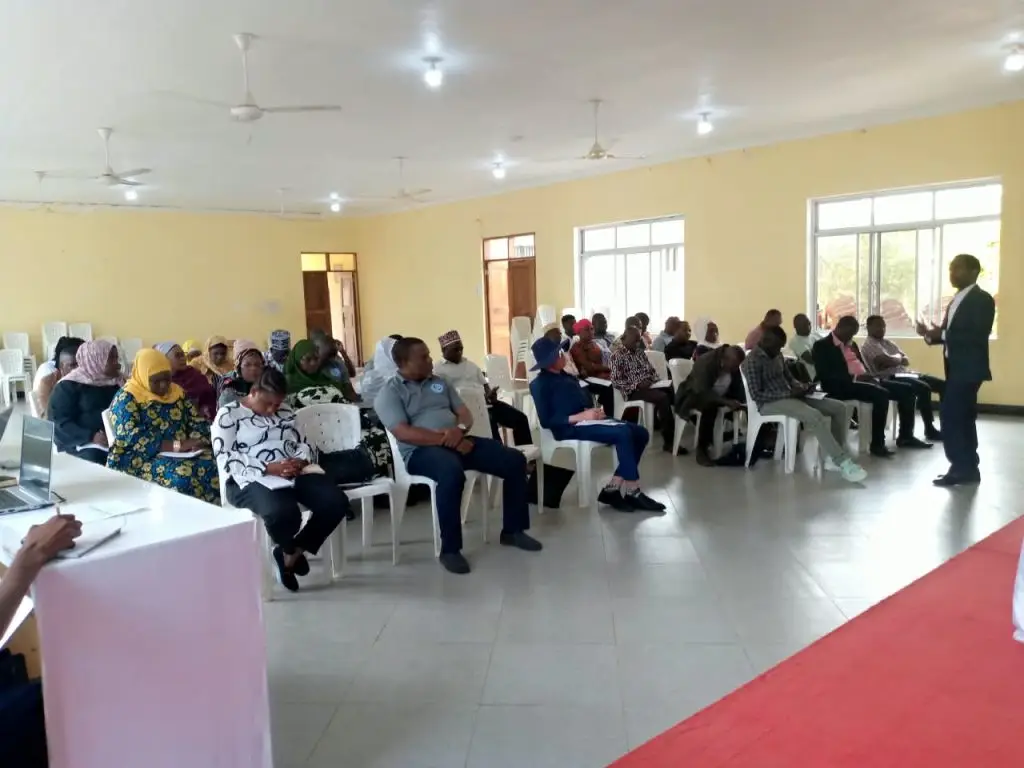
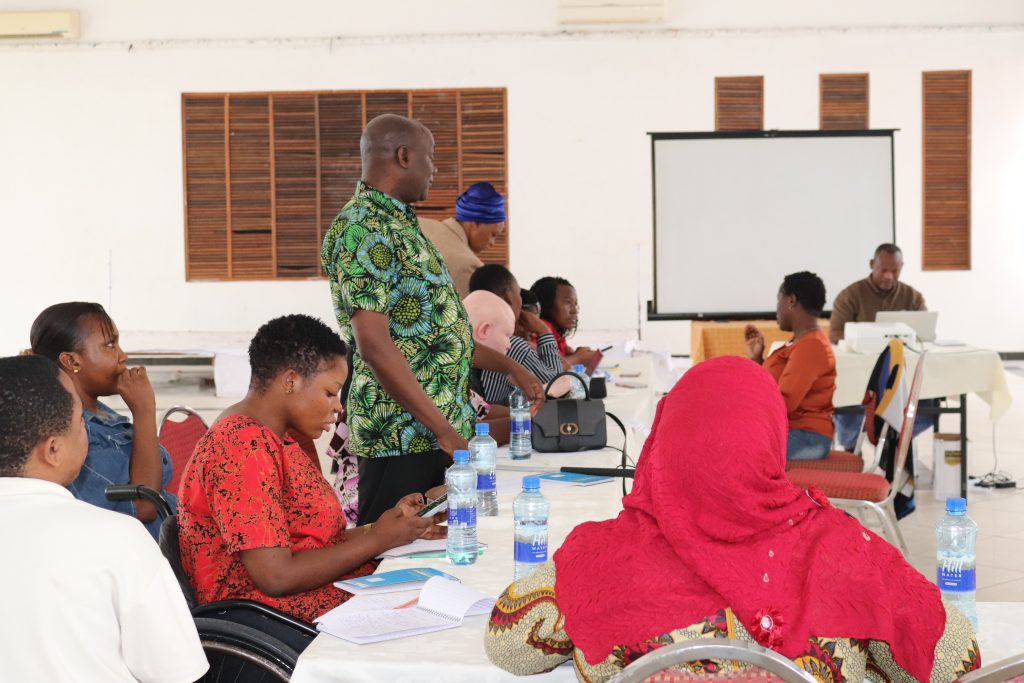
SHIVYAWATA officially opened the Disability-Inclusive Communities of Practice (DiCoP) workshop for Partner Organisations (POs) and Organisations of Persons with Disabilities (OPDs) on 2 September 2026 in Dodoma under the MAP-Wezesha Mtoto initiative.

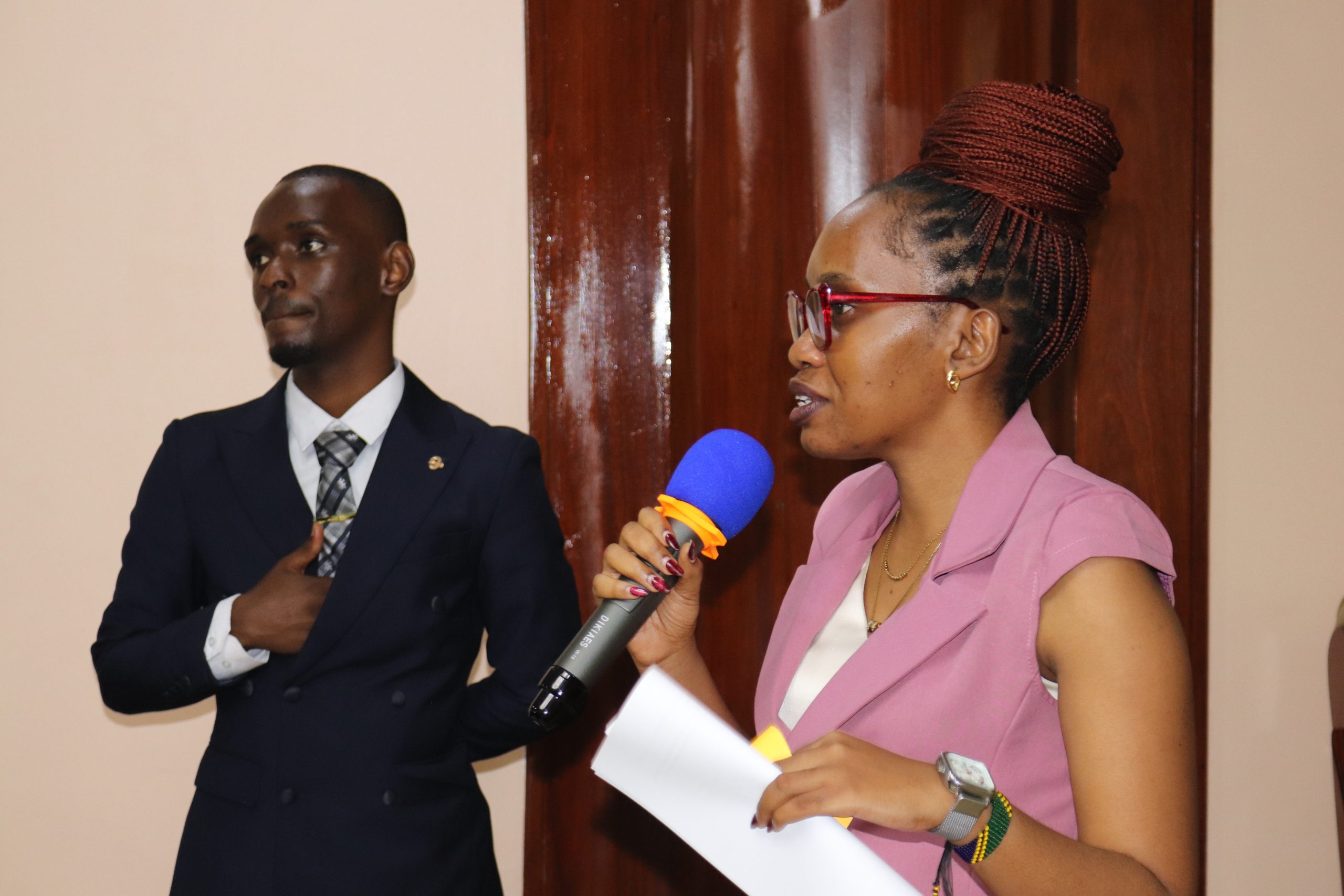
The opening sessions provided an opportunity for an official welcome, leadership introductions and remarks that set the tone for partnership, shared learning and disability-inclusive action.

Reflecting on Progress and Strengthening Collective Advocacy

Participants reviewed progress in implementing the National Advocacy Strategy, reflecting on achievements, challenges, lessons learned and remaining gaps.

The discussions then moved from reflection towards identifying priority collective actions. This process reinforced the importance of coordinated advocacy informed and led by the voices and experiences of persons with disabilities.

By bringing Partner Organisations and OPDs together, the workshop created space for participants to exchange experiences, strengthen collaboration and identify shared priorities for advancing disability inclusion.

Strengthening Collaboration and Opportunities for Collective Action

The afternoon sessions focused on the IMARISHA Grant Application Clinic, where participants worked on grant applications, clarified outstanding issues and explored opportunities for zonal co-creation and co-applications.

The session provided an opportunity for participants to consider how collaboration can strengthen access to opportunities and support collective action across different areas.

The day concluded with the “Why DiCoP?” session, which explored the relationship between advocacy, collaboration and inclusion while establishing a shared understanding of the rationale behind Disability-Inclusive Communities of Practice.

A final reflection prepared participants for the Training of Trainers programme, scheduled to begin the following day.

Building Disability-Inclusive Communities of Practice

The workshop represents an important step in strengthening collaboration among organisations working to advance disability inclusion. Through shared learning, coordinated advocacy and collective action, DiCoP provides a platform for Partner Organisations and OPDs to work together around common priorities.

Disability Rights Awareness Among Lindi
Disability Rights, Policy & Advocacy

Strengthening Disability Rights Awareness Among Lindi Municipal Councillors

SHIVYAWATA has conducted a one-day training for councillors of Lindi Municipality aimed at strengthening their understanding of disability rights and the legal and policy frameworks that protect persons with disabilities in Tanzania.

The training, held at the Open University of Tanzania meeting hall in Lindi Municipality, was facilitated by Novath Rukwago, SHIVYAWATA’s Legal Officer.

The session focused on strengthening councillors’ understanding of the National Policy, the Persons with Disabilities Act, 2010, and national and international frameworks that promote and protect the rights of persons with disabilities.

Through the training, councillors were supported to strengthen their role in monitoring the implementation of disability rights and inclusion commitments across different social sectors within the local government authority.

The training was also attended by Juma Mnwele, Director of Lindi Municipality, who thanked SHIVYAWATA for organising the session. He noted that the training had provided an important opportunity to remind councillors of the legal requirements and frameworks relating to the rights and needs of persons with disabilities.

He also expressed the Municipality’s commitment to working with SHIVYAWATA to help ensure that persons with disabilities in Lindi Municipality can benefit from the opportunities and provisions outlined in the relevant frameworks.

The training forms part of SHIVYAWATA’s broader commitment to strengthening disability rights, inclusion and meaningful participation of persons with disabilities in Tanzania.

IMG_9451
Accessibility, & Partnerships

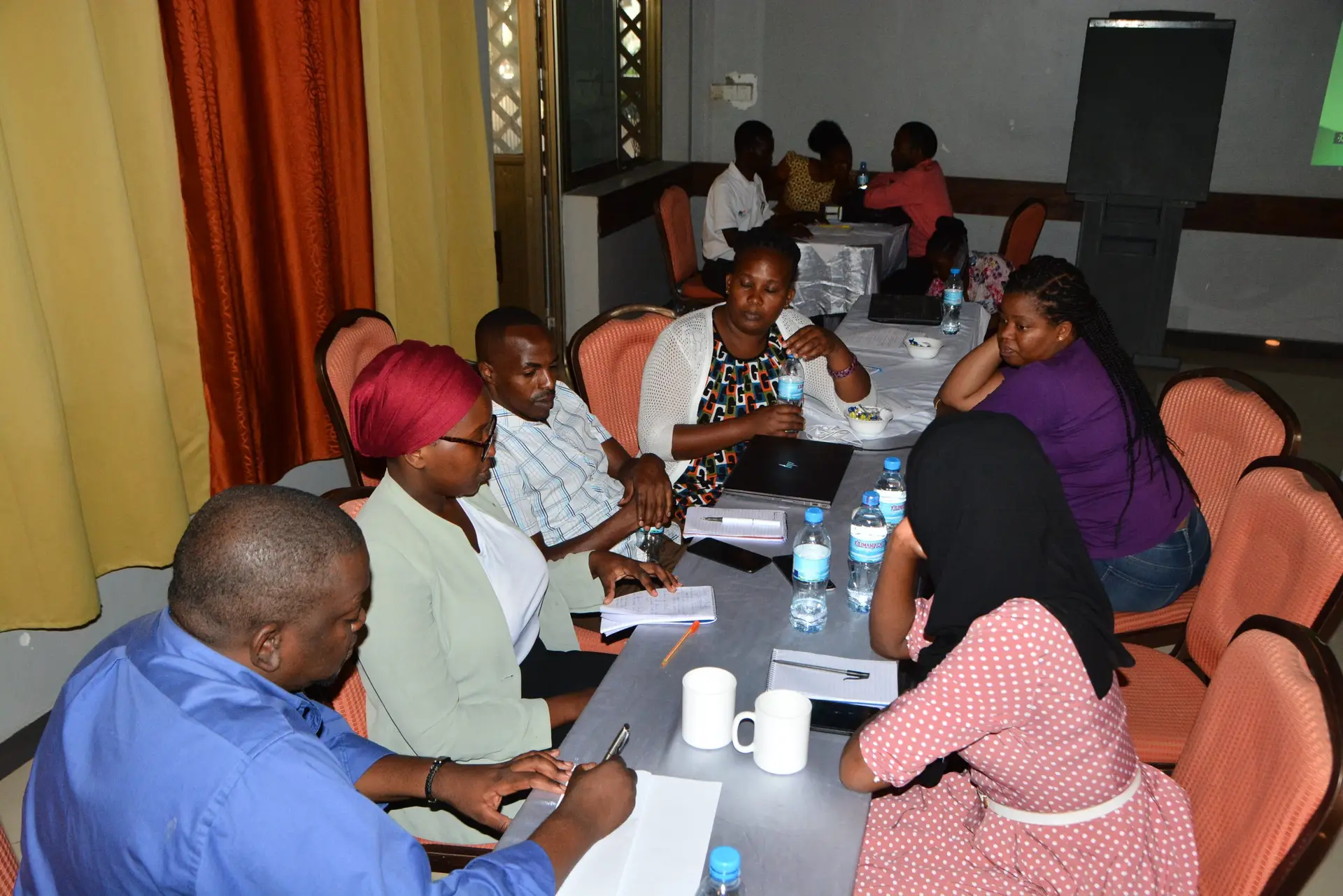
SHIVYAWATA Validates Data Collection Tools for Inclusive Climate Resilience

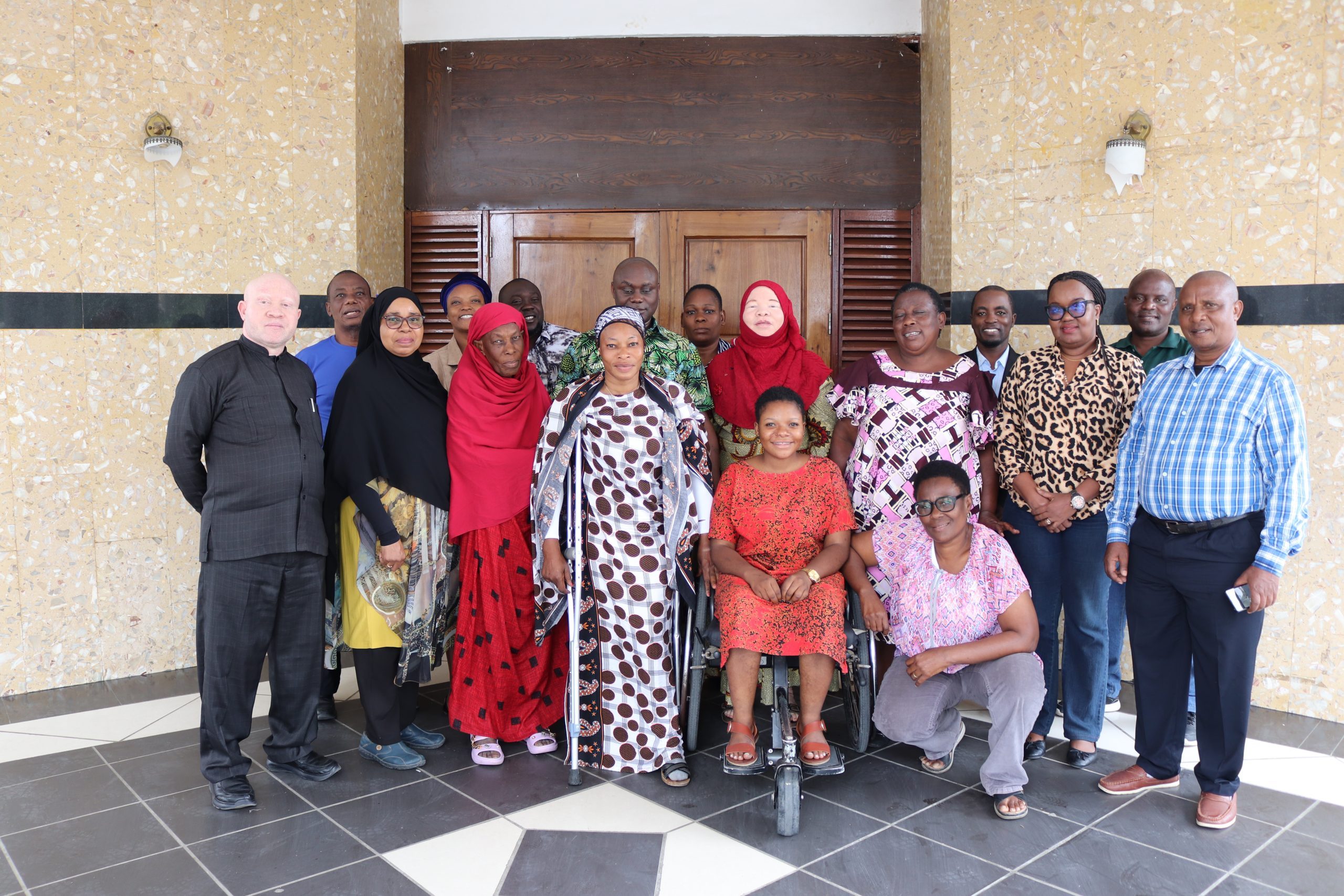
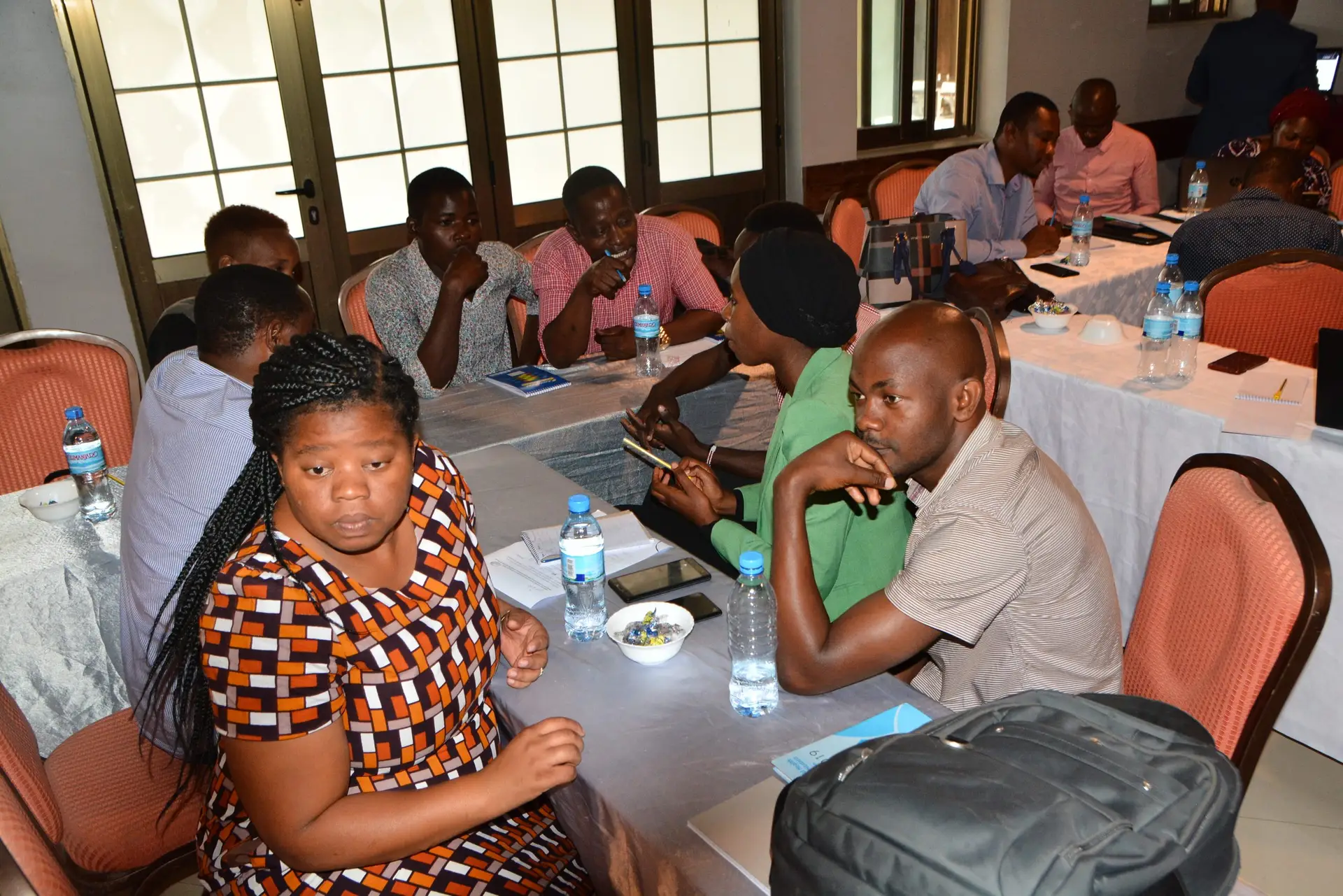
SHIVYAWATA brought together representatives from Organisations of Persons with Disabilities (OPDs) for a workshop to review and validate data collection tools for the Inclusion for Climate Resilience in Tanzania and Zimbabwe project.

The workshop provided an opportunity for participants to critically review the proposed baseline and mapping tools, discuss the relevance of the questions and provide recommendations to ensure that the tools adequately capture the experiences, needs and priorities of persons with disabilities in relation to climate change and Disaster Risk Reduction (DRR).

Climate Change

The discussions also helped strengthen the tools to ensure that the information collected during the field exercise will generate meaningful evidence on disability inclusion, climate resilience, access to services, participation, institutional responses and opportunities for advocacy.

The valuable contributions of OPD representatives will help ensure that the baseline and mapping exercise is participatory, disability-inclusive and grounded in the realities of persons with disabilities.

This represents an important step towards generating evidence that can support stronger advocacy for inclusive climate policies, Disaster Risk Reduction and resilient communities where persons with disabilities are meaningfully included.

KBTA AND SHIVYAWATA/MASTERCARD FOUNDATION
Awareness & Empowerment

Advancing Inclusive Employment Opportunities for Persons with Disabilities in Tanzania

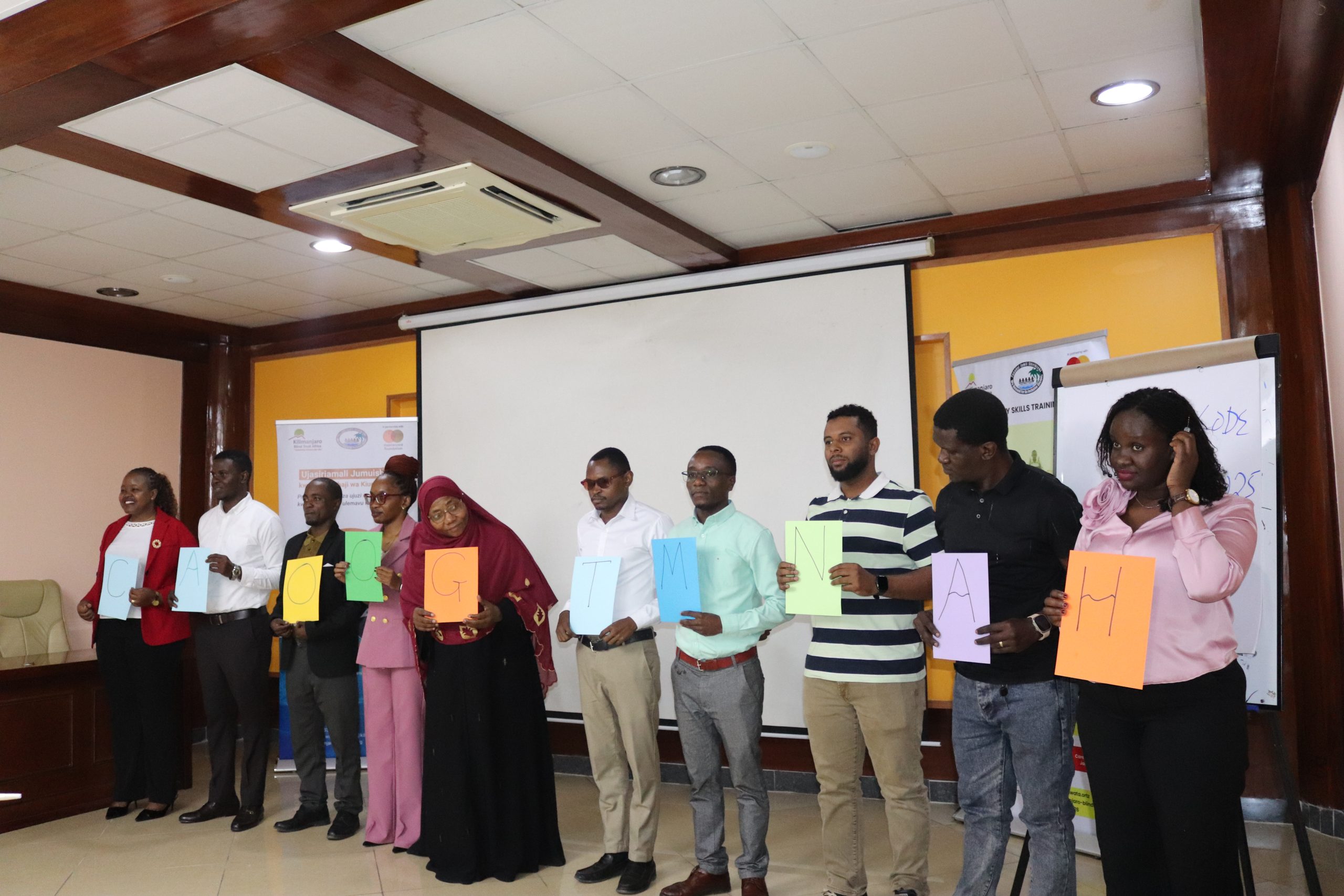
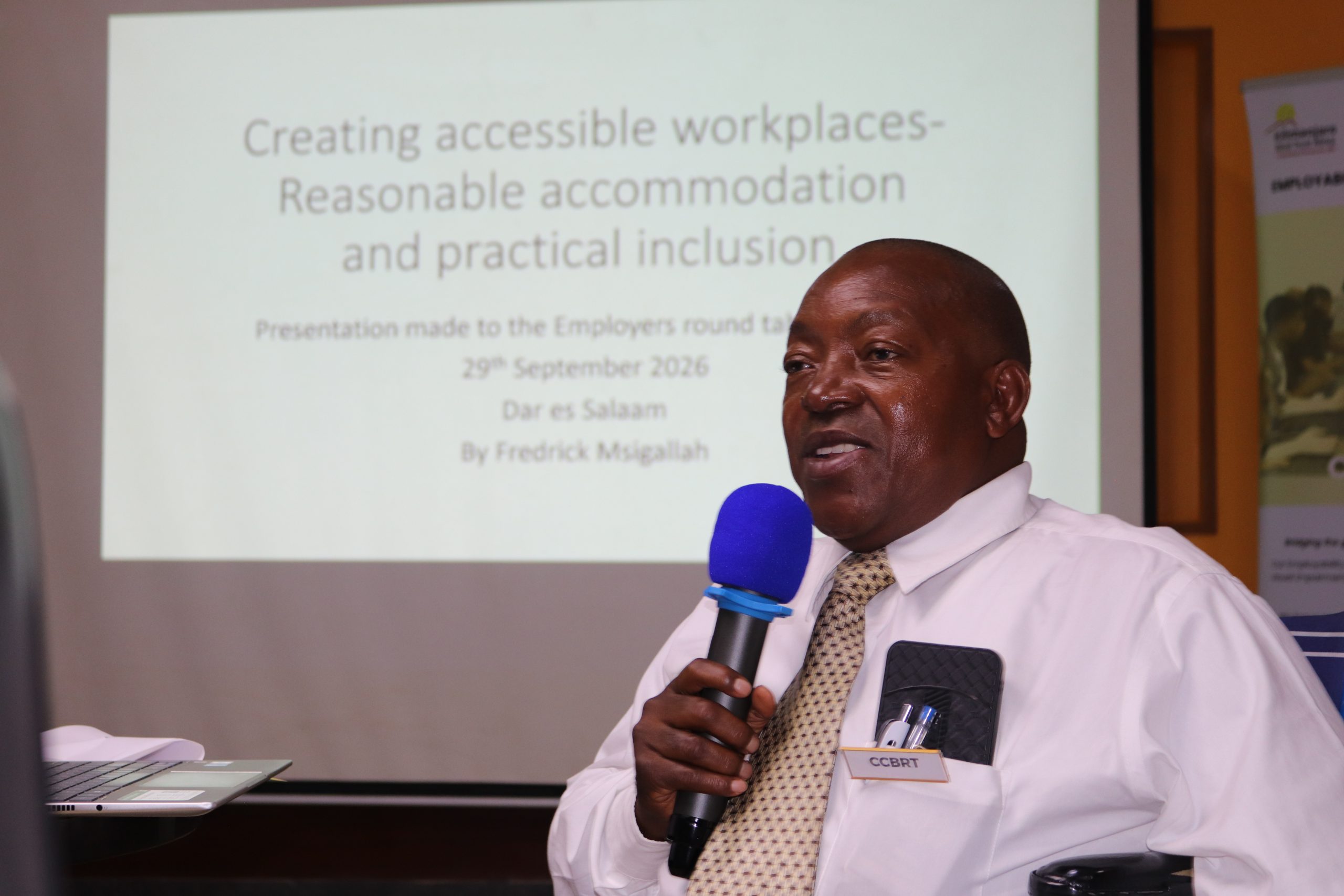
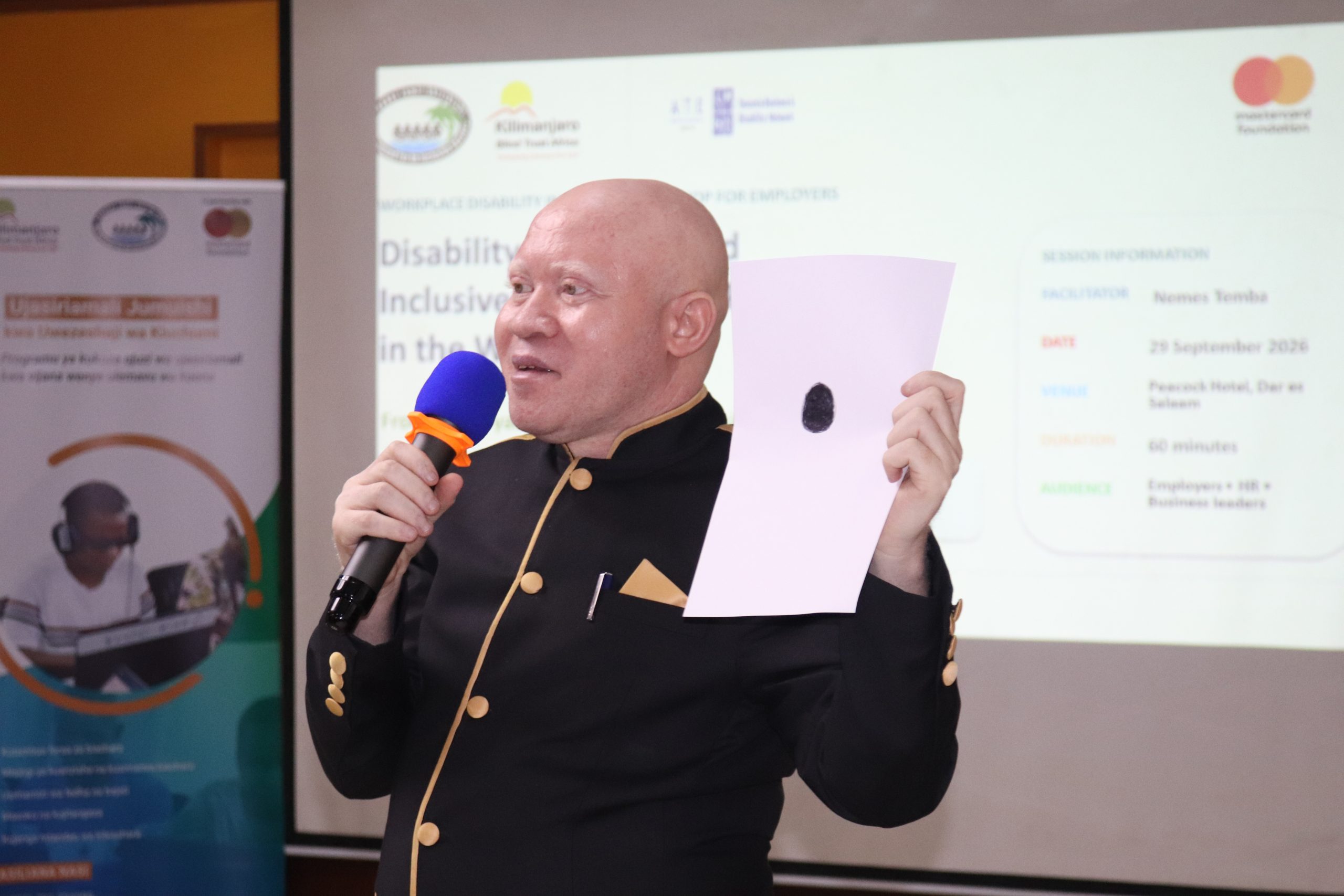
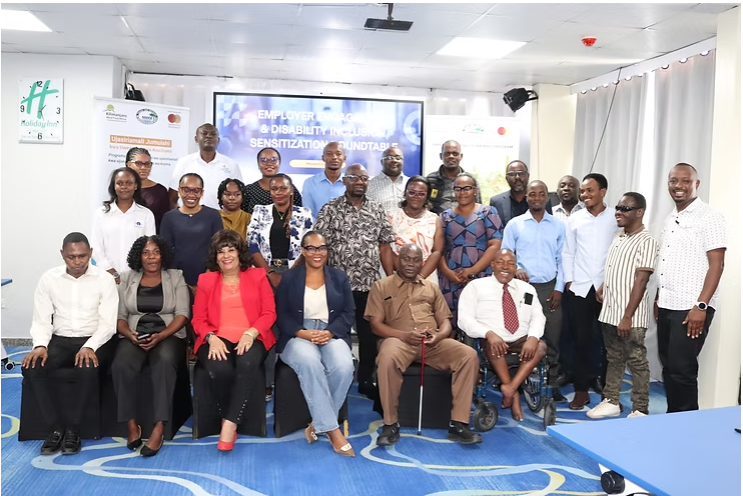
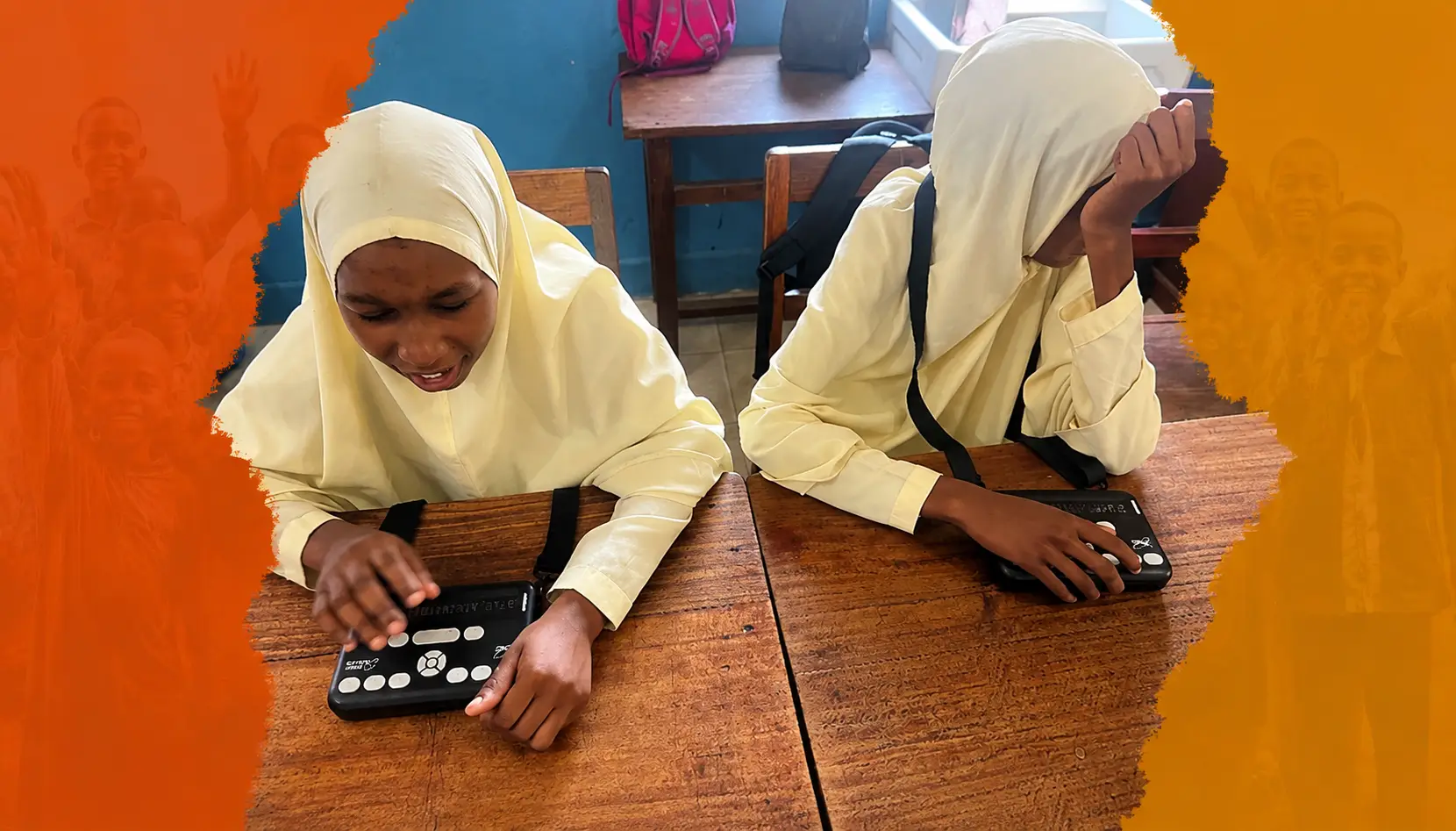
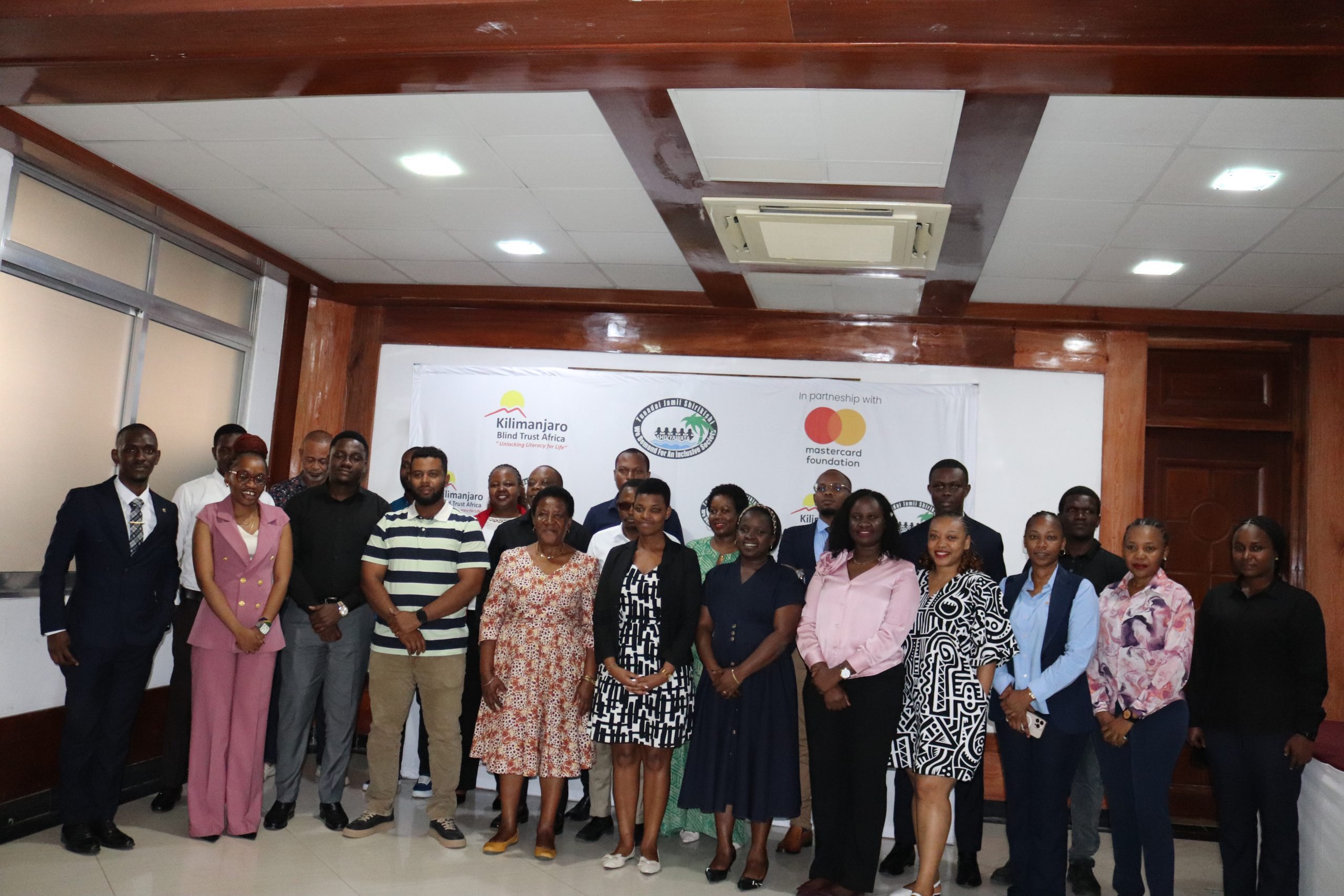
SHIVYAWATA, in collaboration with the Kilimanjaro Blind Trust Africa (KBTA), has taken an important step towards strengthening inclusive employment opportunities for persons with disabilities through the first Employers Roundtable held in Dar es Salaam.

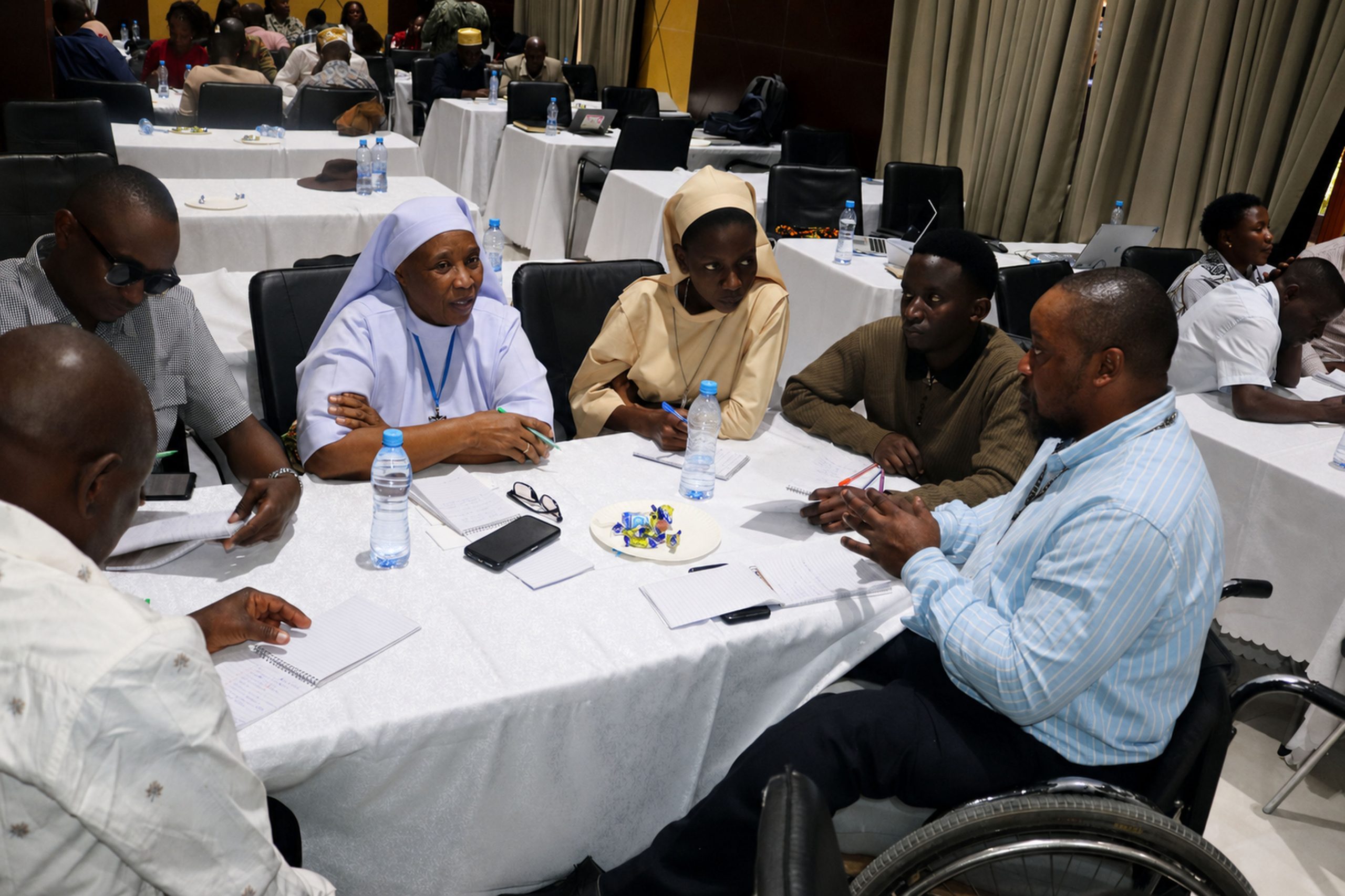
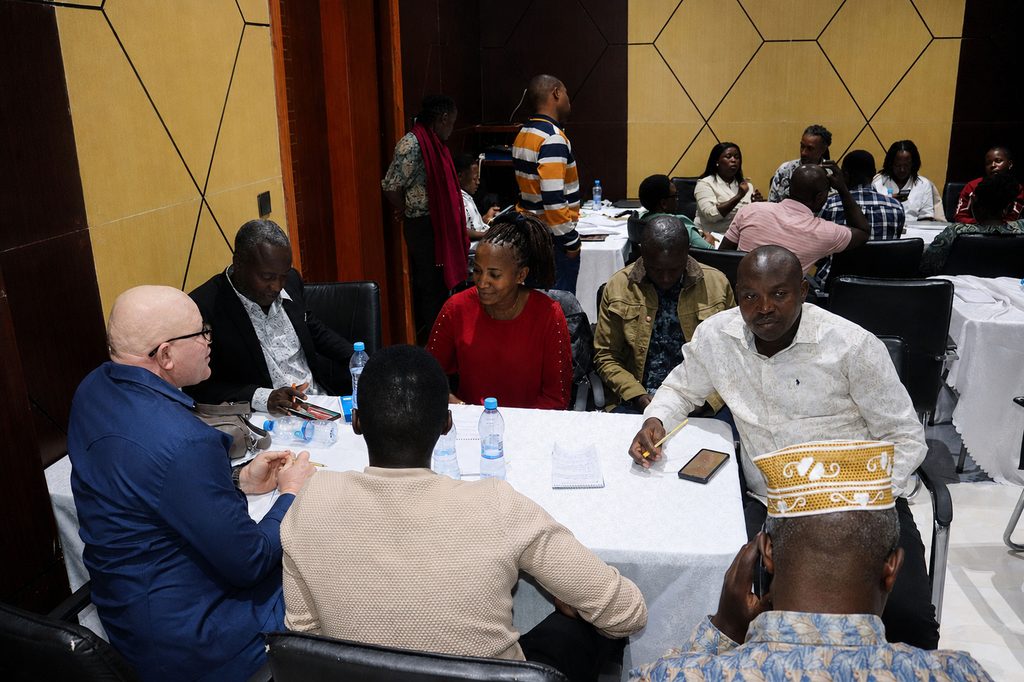
The roundtable brought together more than 25 employers and human resources professionals to explore practical solutions for strengthening workplace inclusion and expanding employment opportunities for persons with disabilities.

The discussions went beyond raising awareness. Participants explored actionable strategies to address the structural and attitudinal barriers that continue to limit access to employment for persons with disabilities. Key areas of discussion included inclusive recruitment practices, workplace accessibility and the role of employers in creating more equitable labour markets.

Creating Pathways from Skills to Employment

The roundtable forms part of broader efforts to ensure that skills development leads to meaningful economic opportunities.

Among the graduates from the first cohort of the training programme, 13 out of 20 graduates with disabilities have successfully secured employment opportunities. The progress demonstrates the importance of strengthening connections between skills development, employers and employment opportunities.

However, further collaboration is needed to expand opportunities for graduates and young persons with disabilities currently undergoing training.

SHIVYAWATA and its partners continue to encourage employers and other stakeholders to support inclusive employment through:

  • Internship opportunities for remaining graduates;
  • Employment and placement opportunities for young people currently in training; and
  • Stronger pathways connecting skills development with sustainable employment.

Expanding Opportunities Through Entrepreneurship

Inclusive economic empowerment extends beyond formal employment.

A group of 15 young people with visual impairment has completed entrepreneurship skills training and is preparing for the next stage of their journey towards establishing sustainable livelihoods.

Partnerships are needed to support these young entrepreneurs through:

  • Business mentorship and coaching;
  • Start-up support and incubation; and
  • Access to markets and enterprise development opportunities.

With appropriate support and opportunities, young persons with disabilities can build sustainable livelihoods and contribute fully to Tanzania’s economic development.

Building Partnerships for Inclusive Employment

The roundtable also brought together different stakeholders committed to advancing disability inclusion. Representatives from CCBRT and Sightsavers Tanzania participated in the engagement, contributing their experience and technical perspectives to discussions on strengthening disability inclusion and systems change.

The engagement reinforced an important message: disability inclusion in employment requires coordinated action.

Creating inclusive labour markets requires collaboration between the private sector, government, Organisations of Persons with Disabilities, development partners and other stakeholders.

Moving from Dialogue to Action

The Employers Roundtable, which also received coverage from ITV and HabariLeo, represents part of a broader effort to move beyond dialogue and towards practical action.

As SHIVYAWATA and its partners continue this work, the focus remains on expanding opportunities, strengthening employer engagement and ensuring that young persons with disabilities are not only equipped with skills but also have meaningful opportunities to participate in the workforce and the wider economy.

Inclusion becomes meaningful when opportunities follow skills.